






-
French pool owners warned over early draining
Pressure from surrounding soils can shift and crack empty pool structures
-
What is deemed a ‘modest income’ when referring to grants and benefits in France?
The amount varies between schemes and with the location of the household
-
French court bans Airbnb-style letting after neighbour complaints
Nice court rules owners must respect co-ownership rules on noise and disturbance
Your rights if squatters move into empty French home
Squatters taking over a second or main home while the owners are away is often cited as a worry.
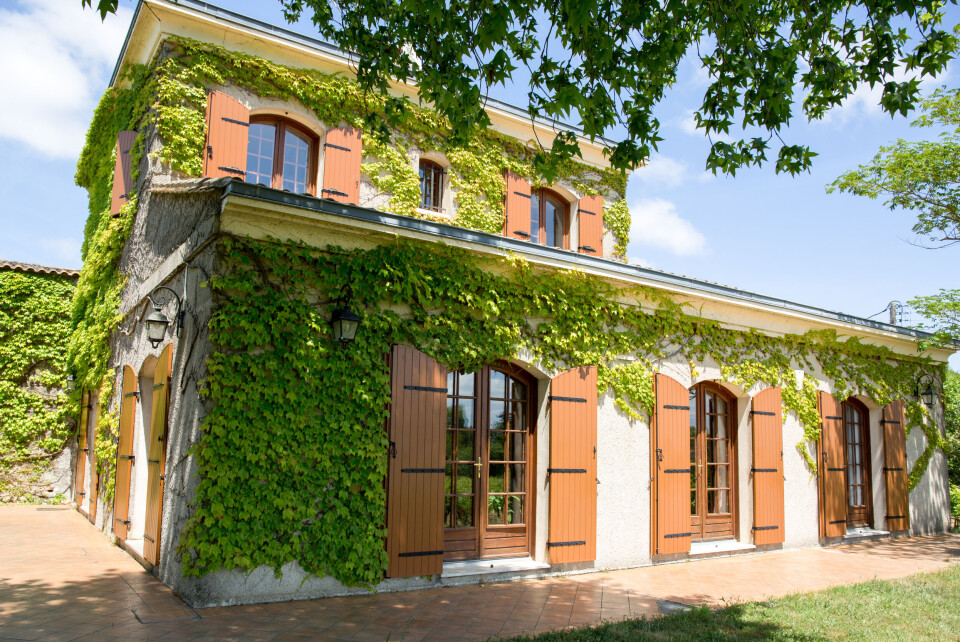
While there is legal recourse, it can be slow and unwieldy.
In late summer 2018, a retiree in a care home discovered a property he owned in Toulouse had been invaded by squatters.
They claimed, wrongly, that because it was an empty second home they had the right to take it on to house homeless people.
In cases of squatters moving into a main home, the owners can have them evicted by police at any time if they can prove the occupiers broke in to the property and are thus using it as a residence illegally.
But owners must go through the legal channels and not try to evict the squatters themselves – they risk a €30,000 fine and up to three years in jail if they do so.
In the case of second homes, the law is stricter.
Police can arrest squatters within 48 hours of them occupying the property if they have caused serious damage during or after the break-in.
After this initial 48-hour period, the legal owners must obtain an eviction order from a court before bailiffs can move in.
The process can take weeks.
And if the application is ruled on during France’s winter truce – the period between November 1 and March 31 when evictions are banned – a judge may rule that the squatters cannot be evicted until the spring.


