






The EU’s Entry / Exit System (EES) - welcome to your guide
The EES affects travel to the Schengen area since October 12, 2025
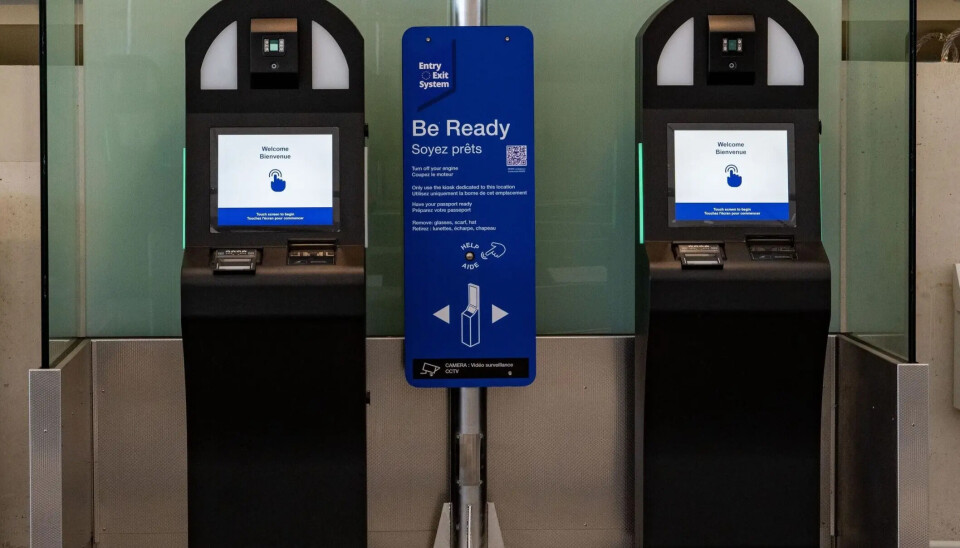
New digital border controls – known as the European Entry/Exit System (EES) – started for visitors to the Schengen area on October 12, 2025 and are in theory fully operational as of April 10, 2026 (however, at many French borders the full system, involving collecting fingerprints and facial images is in practice not yet in place).
The changes impact many people travelling to France from non-EU countries.
EES is intended to include the collection of travellers’ fingerprints, facial images and passport information, and in some cases basic information about travel plans (though the latter is not systematic).
A six-month phase-in period now being over, the scheme is intended to remove passport stamping for non-EU/non-EEA/nonSwiss visitors to the area and to keep a closer check on who is entering.
It it also intended to ensure that visitors respect, if relevant, the rule of not staying more than 90 days in any 180-day period. As of April 20, 2026, it was reported to have already flagged up some 7,000 people who were barried from entering the Schengen area due to having used up or exceeded their 90-days allowance.
Airports, ports and international railway stations installed infrastructure, including pre-registration kiosks, in a bid to reduce what travellers must provide in person to border guards.
This includes Dover, Folkestone and St Pancras in the UK where French border checks take place on UK soil. However, as of May, 2026 the taking of biometric data (facial images and fingerprints) was still not in operation for travellers in cars at the Port of Dover, at Folkestone for Eurotunnel or on Eurostar, due to ongoing technical issues with the kiosks.
The French government said state services and the company developing the kiosks were “fully mobilised to finalise the technical work as quickly as possible”, adding: “Numerous on-site tests are being carried out, and software updates are planned in the coming months to resolve the difficulties encountered.”
The EU has been planning the changes since 2013 but the system suffered a series of postponements. It was then been agreed that countries may ‘phase in’ the scheme over six months instead of starting everywhere at once for all relevant passengers, as originally planned.
EES is set to be followed by a second measure called Etias in the last quarter of 2026. This will concern largely the same travellers and will involve an online application (plus fee) to be completed before travel for preapproval to visit the Schengen area. This is similar to the US’s Esta or UK’s new Eta.
Once obtained the Etias will be valid for three years. EES and Etias concern people who are nationals of countries that do not benefit from EU free movement rights, and who do not live in the EU.
Britons, Americans and other non EU people who live in France (or other Schengen countries) and hold a valid residency card or visa are not affected but should be aware of the changes and potential impact at travel hubs.
Families with under-18s may have to complete new travel formalities. UK ministers and MPs have raised concerns about potential long queues.
Use the contents list to access topics of interest. Alternatively, use the ‘next’ and ‘previous’ options at the bottom of each page to read the guide in sequence. If you have questions about EES or ETIAS, please email questions@connexionfrance.com. and we will do our best to address them in future updates. We welcome your feedback.
The Connexion team