






Culture tips and shocks
Helpful tips to anticipate cultural differences between the UK and France
As with any significant period of change, leaving the UK and starting a new life abroad can feel like an ever-shifting “two-steps-forward, one-step-back” process.
Rest assured that though challenging at times, this is where truly valuable insights arise – especially when it comes to cultural differences that are difficult to anticipate without first-hand experience of living in France.
In the absence of lived experience (or indeed in preparation for your own), here are some notable points to bear in mind and help absorb potential culture shocks before making the move.
The basics
‘Bonjour’ – of all the words in the French language, let this be the one you use as a reflex in any situation where you come face-to-face with another person (follow it with Monsieur or Madame if you feel confident). Whether greeting a neighbour, entering a shop or visiting a market stall, failing to say hello is widely seen as rude and may affect how you are treated.
Smiling excessively or enthusiastically – in some cultures this is commonplace, but in France it can sometimes be interpreted as insincere.
Faire la bise – French people who know each other often greet with kisses on the cheek. This can include acquaintances. If in doubt, follow the lead of the French person. Hugging is less common in everyday social interactions.
Volume of speech – as a general rule, conversations in public spaces tend to be more subdued. It is advisable to follow suit, particularly in cafés, restaurants and public transport.
The rhythm of life
Working hours – France has a statutory 35-hour working week for many salaried employees, though working patterns vary by sector. Paid annual leave is typically generous compared with the UK, often five weeks or more.
Summer holidays and ‘la rentrée’ – August is traditionally the main holiday month, when many businesses close or operate reduced hours. September marks la rentrée ('the return'), when schools reopen and normal routines resume.
Opening hours – these are generally respected and may be reduced during holiday periods or on public holidays. Handwritten notices on shop doors announcing closures are common, so do not rely entirely on online information.
Public holidays – known as jours fériés, there are 11 national public holidays each year. Some fall on fixed dates and others vary each year. If a public holiday falls on a Thursday, employees sometimes take the Friday off to faire le pont (“make the bridge”), creating a long weekend.
Customs and habits
Queuing – the system may appear less structured than in the UK. People often keep a mental note of who arrived first rather than forming a strict line. Observing how locals behave is usually the best approach.
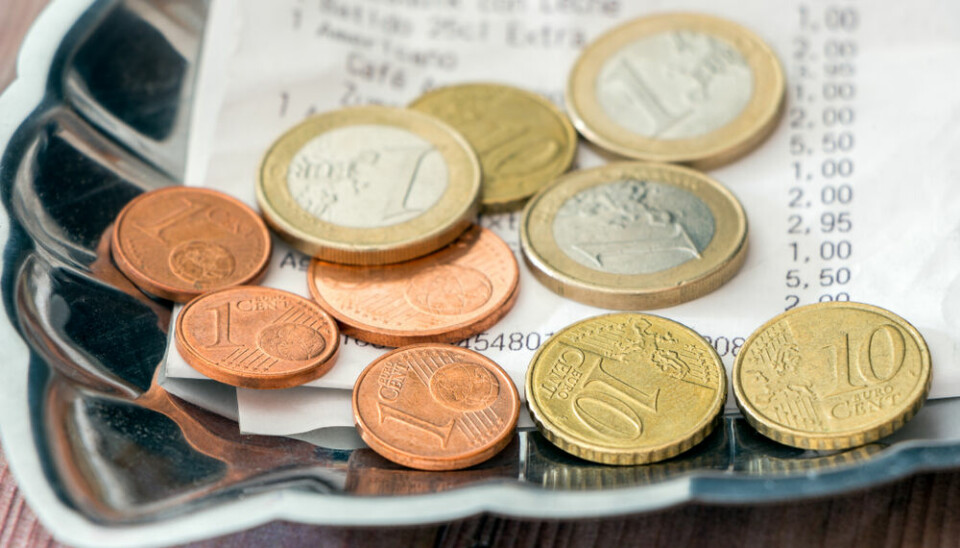
Tipping – service is already included in restaurant prices (marked service compris). Leaving a small amount of change or rounding up the bill is appreciated but not obligatory.
Food and drink
Meals are generally treated as an experience – a chance to enjoy good food and company. Taking time to sit down to eat is the norm, and eating while walking down the street is relatively uncommon.
Lunch – is typically taken between 12pm and 2pm, when many people take a proper break (pause déjeuner).
Dinner – is often eaten after 8pm.
Alcohol – for adults, having a glass of wine with a meal is common.
Cheese – traditionally served after the main course and before dessert. When cutting cheese, care is taken to ensure each person receives a piece that includes both centre and rind.
Apéritif – often shortened to 'apéro', this refers to drinks and nibbles before dinner with friends or family.
If you are invited to apéro at someone’s home, the invitation may be for a specific time slot (for example 6pm–7.30pm), after which guests leave so the hosts can have dinner. Arriving slightly late for social occasions is generally acceptable.

Shopping
Food shopping – many French households shop more frequently and buy smaller quantities, focusing on freshness and quality. Local specialist shops such as boulangeries, pâtisseries, boucheries and markets are widely used. Large supermarkets and hypermarkets are often located outside town centres.
Pharmacies – marked by a green cross, these are the only places where you can obtain prescription medicines and many over-the-counter treatments, including paracetamol. They also commonly sell skincare and health products.
Pharmacists are highly trained and may offer medical advice for minor conditions. They can also identify whether mushrooms picked in the wild are safe to eat.
Sales periods – the main discount periods, known as soldes, are regulated and take place twice a year (winter and summer).
Everyday differences
The 24-hour clock is widely used, often written with an “h” between hours and minutes (for example 16h45).
Decimal points use a comma rather than a full stop (for example 3,14 rather than 3.14).
Thousands separators are usually spaces rather than commas (for example 10 000).
Air conditioning is less common than in many countries, particularly in older buildings.
Cheques are still used in some situations, though less frequently than in the past.
Public toilets may require a small payment.
Smoking remains common, particularly on café and restaurant terraces.
Bathrooms often have the toilet in a separate room from the bath or shower.