






-
Normandy rail strike: five lines disrupted this Friday and Saturday
Ticket inspectors walk out after a knife attack on a colleague, with four unions backing the action
-
French PM says diesel stockpile release will cut prices by up to 18 cents per litre
Sébastien Lecornu used televised speech to promise release of ten million barrels of diesel and address lycée protests
-
Temperatures to drop by 12C as first snowfall to hit Pyrenees and Alps
Storms to continue in the south
France urged to ban chemical from suncreams amid health concerns
Studies have shown octocrylene can be dangerous for people and the environment
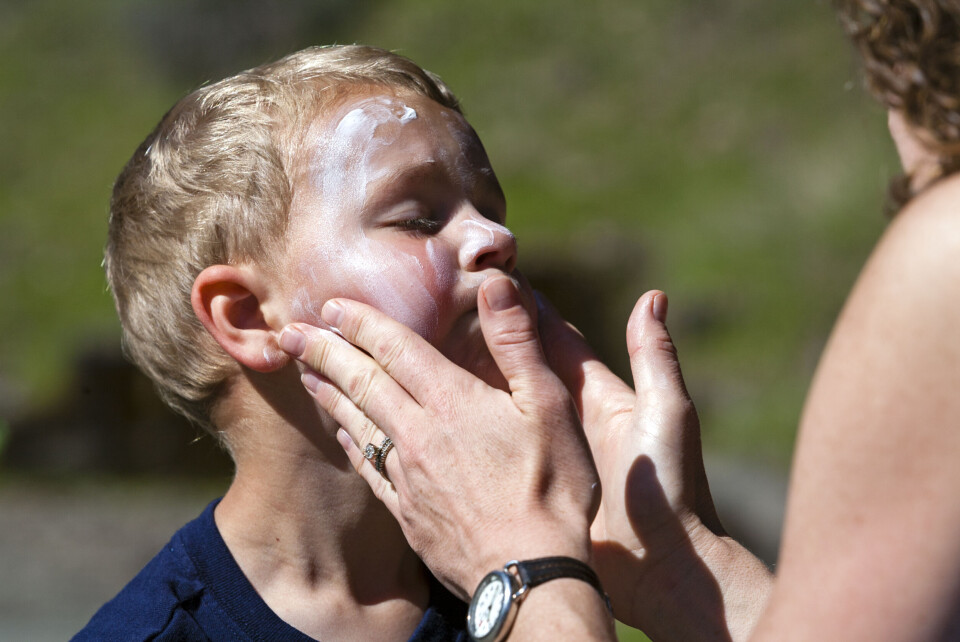
France’s health safety agency has called for the removal of a chemical from suncream due to growing scientific evidence that it is damaging to the people and environment.
The chemical, octocrylene, is widely found in many cosmetics.
Now, France’s health and food safety agency, l’Agence Nationale Sécurité Sanitaire Alimentaire Nationale (Anses), has recommended the government require the chemical to be removed from sunscreen products.
The call comes within the context of regulations from REACH, the European regulator that keeps tabs on and evaluates chemical substances in Europe.
A study in 2021 concluded that over time, octocrylene converts to benzophenone, a compound that can cause cancers and is genotoxic and endocrine disrupting
After conducting an analysis, Anses found that the use of octocrylene must be restricted, and in particular, banned from sunscreens.
Anses now has to wait for the French government to take its recommendations to Brussels, which will have the final say on whether or not to ban the substance.
The ministry said it had received the notice from Anses.
It told FranceInfo that the Ecological Transition Minister Christophe Béchu was “in favour of carrying out an analysis of the options”.
It said that it “will submit a request at European level to analyse all possible options, with a view to eliminating the risks associated with octocrylene”.
“A ban, which France supports, will be one of the options considered,” it said.
Existing scientific studies have already suggested that octocrylene can have harmful effects on the environment and marine life, particularly coral. One study even found that once a sunscreen product containing the substance is opened, it becomes benzophenone, another compound that has been linked to endocrine disruption and cancer.
Several countries have already banned octocrylene from sunscreen products, including the US Virgin Islands.
Related articles
France U-turns controversial ‘endocrine chemical’ vote
Ban cancer-causing agent in suncreams, urge French scientists


