Major train disruption expected on June 10 due to French rail strike
Many TGV and cross-country routes affected with regional services also seeing mass cancellations
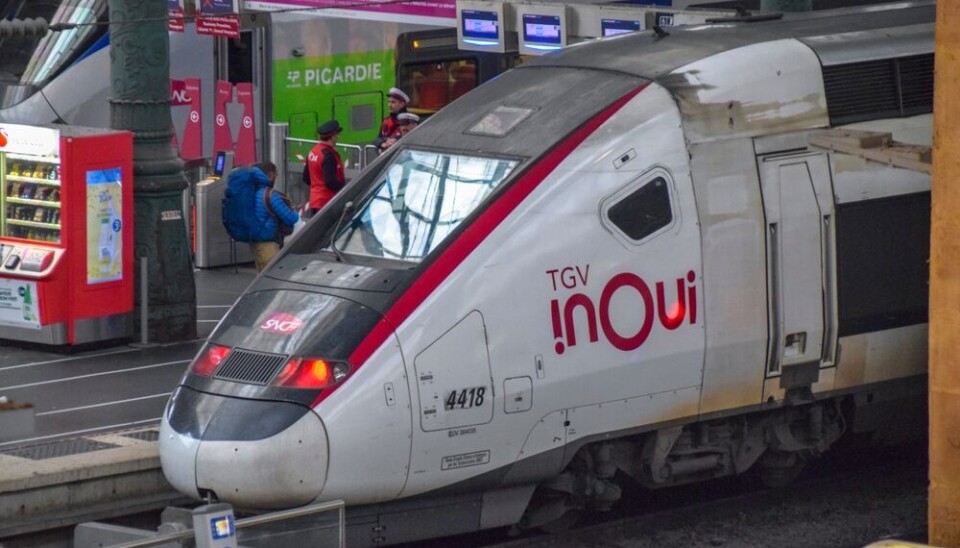
Many high-speed trains risk cancellation due to the strike
NGCHIYUI/Shutterstock
French state rail operator SNCF is expecting major disruption’ this Wednesday (June 10) as an inter-union strike takes place.
Around one-third of high-speed (TGV) trains will be cancelled, including both InOui and Ouigo trains, the operator has announced.
International TGV routes managed by the operator including the TGV Lyria to Switzerland will also see around a third of trains cancelled.
Some Eurostar services between Paris and Cologne/Brussels are impacted, but those running to London are so far unaffected.
Only one in two Intercités will run, with disruptions also affecting overnight services.
Regionally, TER services will see ‘severe disruption’, although exact impact will differ across the country.
Local services across Paris (the Transilien and RER) may also be affected, but the city’s Metro should not be impacted.
Exact timetables will be published this evening (no later than 17:00) through official channels, and you can use the SNCFConnect website or local SNCF variants to see if your planned journey has been impacted.
You can find more information regarding refunds and ticket exchanges in our article here, or through the SNCF social media post below.
More strikes to come?
The operator said it will “mobilise all resources,” to minimise disruption, but does “not have the means to fully cover” all journeys.
“Our goal is not to annihilate the strike but to ensure the best service for our customers,” it added.
Wednesday’s action is the first in several rail strikes over the last year and a half set to cause major disruption.
Recent strikes, notably by conductors and drivers, have been thwarted through the SNCF’s use of volunteers, with little disruption caused. This was especially the case last May.
A change in tactic by unions last summer saw longer strike motions announced, with workers encouraged to stage smaller, local strikes at little notice in a bid to prevent the SNCF finding cover for the shifts.
However, rail operations generally ran smoothly and there was little disruption.
A return to a single major day of action, on the eve of France’s busy summer holiday period, is a show of strength from the unions.
They have declared ‘a state of emergency’ on the network and are striking over several issues including working culture, wages, safety for workers and travellers, and the dismantling of the state-owned operator into several subsidiaries ripe for privatisation.
If the strike is successful, it is possible that more action is called across the summer.