French fuel price update: little to no decline
Fuel prices have remained stable over the weekend after a drop on Friday despite prior claims they would fall further
Promised price cuts for drivers have been slow to arrive… and may already be set to end
Mircea Moira/Shutterstock
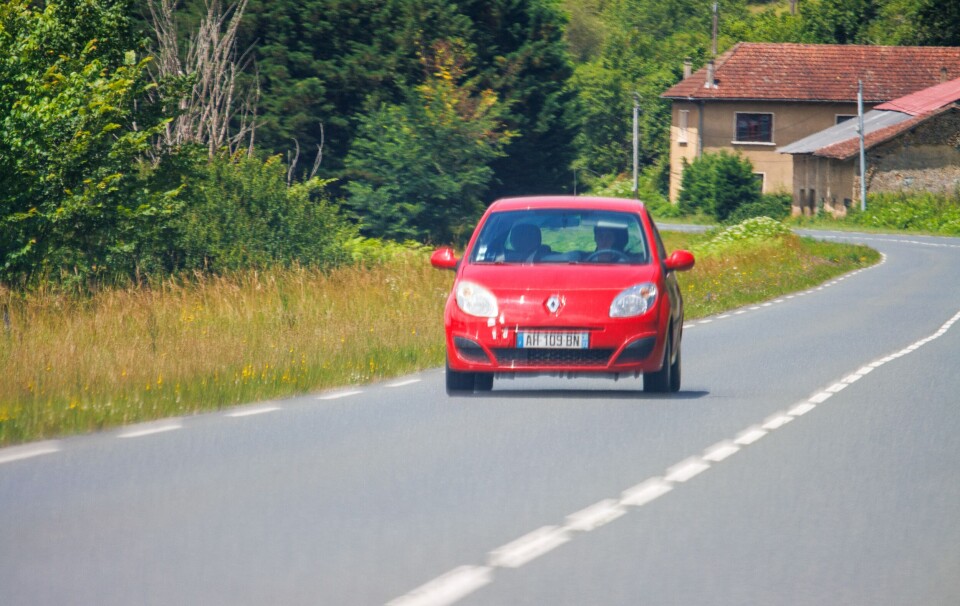
Fuel prices remained steady this weekend following a small reduction on Friday (April 10), despite previous government claims that drivers would see a greater reduction at the pump.
Diesel costs dropped from an average of €2.378 per litre on Friday morning to €2.332 on Saturday afternoon (April 11), a drop of around 4c per litre.
Since then however they have remained virtually unchanged, even rising slightly on Monday morning to €2.334 per litre.
Petrol prices across the weekend remained virtually unchanged, hovering at just over €2 per litre for SP95.
It comes despite sector leaders forecasting price drops of up to 10c per litre following the announcement of a ceasefire in the Middle East last week, and the French government expecting that service stations drop their prices as a result.
One piece of good news for drivers is that resupply efforts have been largely successful, and now only around 11% of service stations in France are facing shortages.
At the start of last week, some French media reported figures closer to 20% - 25% of stations facing a shortage.
You can see more information about shortages through the government map, and check prices at stations near you using the official prix-carburant website.
The average cost of diesel over the last few days can be seen in the graph below.
The government has authorised resupply efforts outside of usual hours over the coming weeks, in an effort to reduce the risk of shortages at certain stations.
Prices dependent on fragile peace
The government stated that price drops would come in two phases, with larger service stations the first to see prices go down on Friday, followed by smaller and independent stations later, during the weekend or today.
However, service station prices are heavily influenced by those offered by refineries for petrol and diesel (or from suppliers of the fuel in its final form), which themselves are dependent on the prices of raw materials.
Drivers will only see sustained price reductions when costs drop throughout the entirety of the supply chain and remain lower for a longer period.
There is also a delay between cost reductions in the supply chain and lower prices at fuel stations, as the fuel sold at stations would have been purchased before these reductions took effect.
Oil prices continue to fluctuate despite the announcement of the ceasefire, and an alleged breakdown in communications between the US and Iran could see the Strait of Hormuz - through which many supplies pass - closed again less than a week after it reopened.
This fragility has seen oil prices rise above $100 per barrel today, as the market fears further hostilities and a new drop in global supply.
Pre-war fuel prices are only expected to return once a sustained peace comes into force and the strait – responsible for around one-fifth of global crude oil and liquefied natural gas shipments – is fully reopened.
The war has done major damage to oil and gas infrastructure in the region that will take time to repair and allow production to reach a pre-war state.
What can the government do?
Despite the government’s request for prices to be reduced, there is relatively little it can do about the matter as it cannot control the cost of goods on the global market.
It can put pressure on service stations through checks that prices are not excessively high, but market fragility means in many cases, prices are as low as they can be.
Frequent calls for fuel tax cuts have been made, particularly after the government announced €270 million in additional fuel tax revenues in March.
However, this level of tax revenue is expected to fall in April – potentially even below typical levels – due to reduced numbers of drivers filling their vehicles.
Some smaller businesses in France are now encouraging employees to work from home when possible, to reduce expenditure on fuel.
The government claims that the windfall is far outweighed by billions lost in economic activity due to the conflict, and much of it has been earmarked to provide aid for struggling logistics sector companies and fishing vessels.
It also claims that any tax cuts would increase France’s deficit, leading to tax increases or other welfare cuts later down the line, although other European countries such as Italy and Germany have cut fuel duties in response to the crisis.
Prime Minister Sébastien Lecornu said he is not opposed to the idea of a windfall tax on energy company profits made during the conflict, proposed by several EU countries.