






-
France had concentration and internment camps before and during the Second World War
We explain their purpose, the Vichy regime and the Natzweiler-Struthof camp
-
Former military base inspired by US cities is preserved French curiosity
There is a corner of France that will be forever American, retaining museum cadillacs and US-style architecture: Cité de Brassioux
-
Help trace Amiens family to return lost First World War postcards
An Australian woman seeks descendants of Victor and Juliette Herbault in Amiens to return twelve love postcards
French food notes: Traditional Dijon dish was created by twist of fate
In our series providing a sideways glance at French food, we look the accidental creation of Poulet Gaston Gérard
While many notable French dishes acquired their name from a region of origin (boeuf bourguignon, quiche Lorraine), fewer are named after the very person who either created or inspired them. Imagine having your name forever associated with a recipe that gives pleasure to generations of diners – what a tasty legacy.
There is Omelette André Theuriet (with truffles and asparagus, named for the novelist); Chateaubriand steak recipe for the French writer and diplomat; and Poulet sauté Montesquieu for the Enlightenment brainbox.
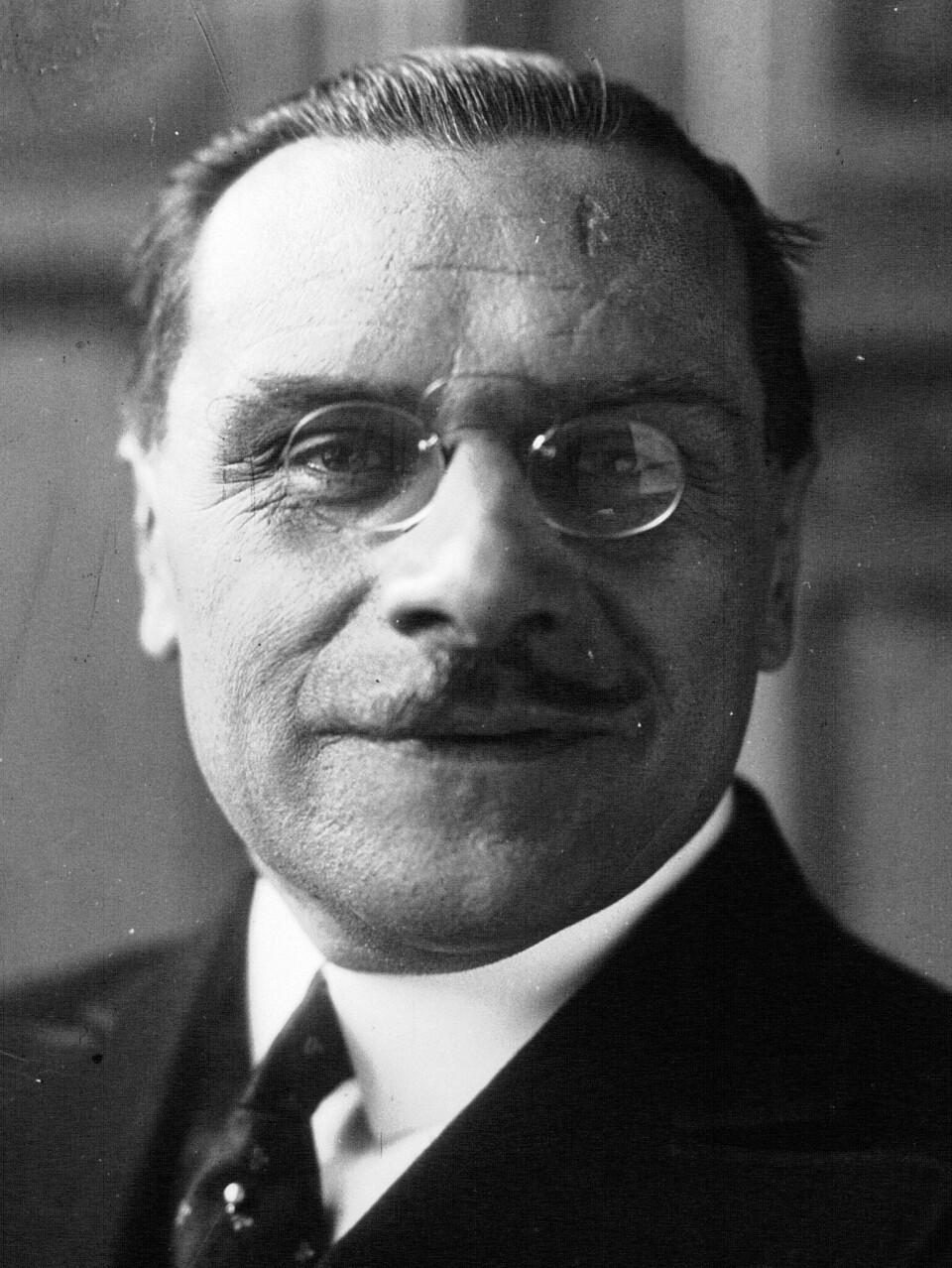
Another such local classic is Poulet Gaston Gérard, a traditional dish from Dijon, made with chicken, white wine, fresh cream, Dijon mustard, grated Comté cheese, and paprika. The recipe was invented in 1930 by Reine Geneviève Bourgogne, and named after her husband, the city’s mayor Gaston Gérard.
As per so many culinary creations that we chew over in this column, its creation was in part thanks to a twist of fate – with the paprika as the trigger. The story has it that Reine Geneviève accidentally spilled a jar of the smoky dried pepper into her cooking pot, and so to rescue the dish she added cream and oodles of grated Comté (mind those arteries!).
The resulting effort so pleased the couple’s dinner guest – Maurice Edmond Sailland, aka “Curnonsky” the renowned food critic dubbed “The Prince of Gastronomes” – that it was he who christened the dish in honour of his host.
The dish, ideally made using poulet de Bresse, is traditionally accompanied by a white Burgundy (Chassagne-Montrachet or Puligny-Montrachet) and served with potatoes. Merci Reine Geneviève!
Related stories:


