Journées des Chemins: call for volunteers to clear rural footpaths around France
The national drive to strim undergrowth runs from February 28 until March 8
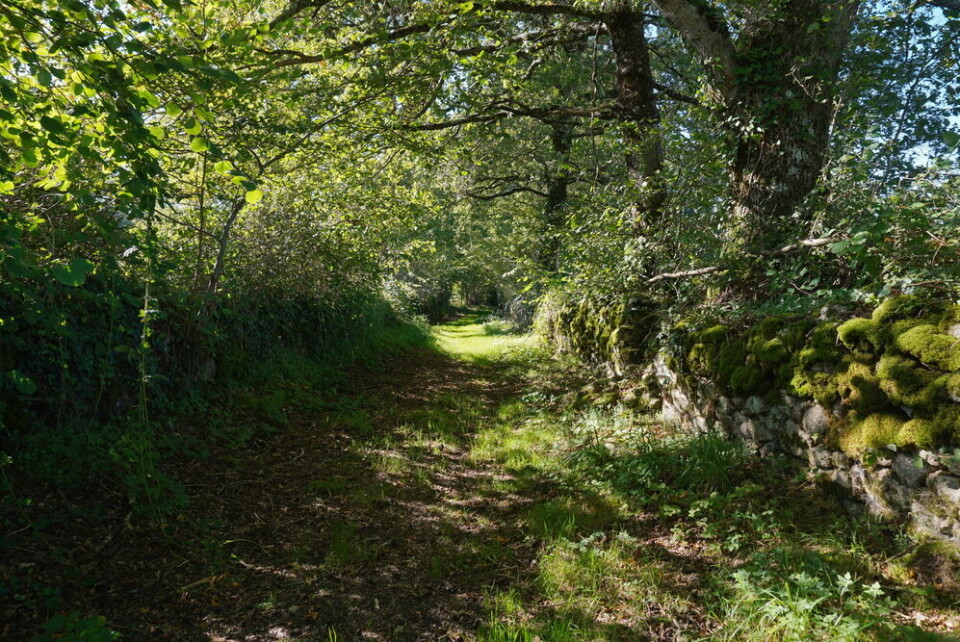
France’s rural footpaths are often unmarked and known only to locals
Damsea / Shutterstock
Thousands of volunteers around France are participating in a national drive to clear undergrowth from the hidden rural footpaths that were once a key part of countryside life.
The 2026 Journées des Chemins programme begins on February 28 and will run to March 8 at over 50 sites around France, for the initiative's 32nd edition.
The chemins ruraux, or unmarked footpaths - not to be confused with the GR, GRP or PR hiking routes - are the local countryside trails that people have used since time immemorial in France.
However, more often than not they are unmaintained due to a lack of funds, and as a consequence, many have fallen into disuse or become overgrown.
In response, volunteers are working to restore them as part of the Journées des Chemins movement organised by the Codever association.
Several groups of volunteers take part in the initiative, with more people getting involved each year.
Codever also encourages people to register their contribution even if unavailable during the official dates, as these efforts will still go towards counting the collective total.
Over 200,000 km of rural footpaths have disappeared in France in the last 40 years, Stéphane Delautrette, MP for Haute-Vienne, told Le Figaro in 2023.
How to join in
If you would like to volunteer to clear the footpaths, click on the points on the map below to find the contact details of a local organiser.
The right to travel on rural footpaths unimpeded was a key demand of the French revolutionaries in their Cahiers de doléances.
Since 1959 they have been the private property of communes. However, many private landowners actively discourage the use of such trails that cross their land.
“Anyone who is willing and ready can join in,” Charles Péot from Codever told The Connexion in a previous interview.
“Sometimes we do fall foul of local landowners, but people have a historic right to use these paths.”