






-
Hospital in Nouvelle-Aquitaine to make some parking spaces paid: how common is this in France?
The hospital said the measure will prevent long-term parking by non-hospital users
-
Seven speed cameras vandalised in Nouvelle-Aquitaine
The cameras were covered with tarpaulins bearing the words ‘Tic tac’
-
Charente man sentenced to 12 years in prison for starting dozens of wildfires
The man, father of two, was responsible for 32 fires
More towns take away street advertising signs in France
Mayors say that the boards cause visual clutter and use too much energy
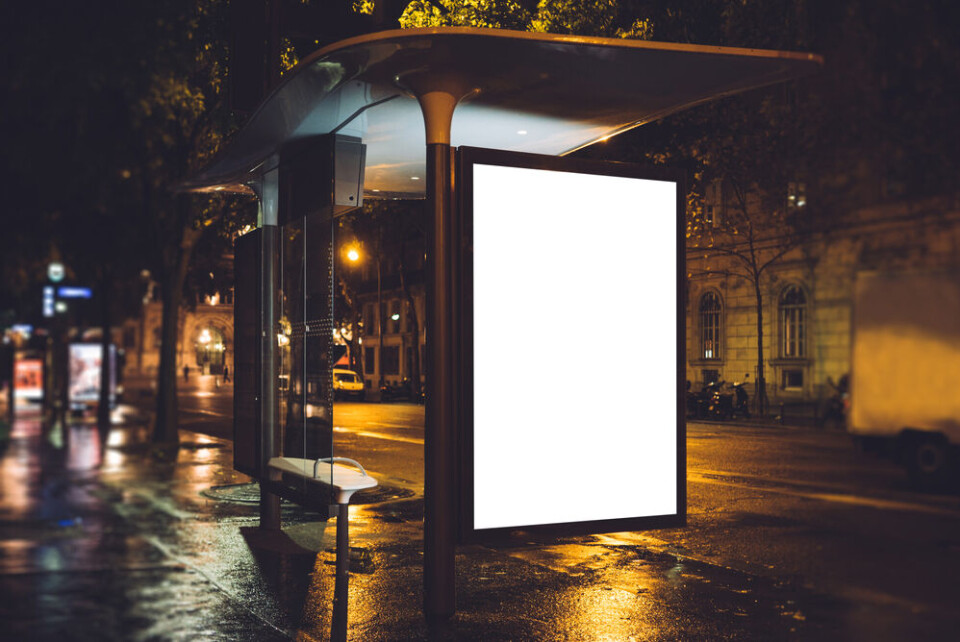
An increasing number of towns in France are taking down publicity billboards and signs in their streets, as mayors look to reduce visual clutter and save energy.
In Nantes (Loire-Atlantique), for example, 120 screens were taken down in 24 hours from January 5. Overall, the plan is to take down 1,000 in total. The largest electric screens, which use the most energy, will be removed as a priority.
The city’s mayor, Johanna Rolland, has said that the removal is worth it, even though the city expects to make 30% less revenue as a result of the drop in advertising space.
She told FranceInfo: “It’s a budgetary choice that will help the climate, and we think it makes sense.”
The city of Grenoble (Isère) has also reduced the number of publicity screens across its streets over the past eight years. The city has even replaced its billboards with trees.
Bus shelter adverts still remain in place, however, because the local transport company has said it relies on the income that the publicity space generates.
Smaller towns are also joining the movement. In Mordelles (Ille-et-Vilaine), 15 publicity signs have been removed in a bid to reduce energy consumption and costs.
One resident told France 3: “It’s visual pollution, and I think we have too many adverts everywhere. So I think it’s very good that they’re taking them down.”
Hervé Park, communication and citizenship manager in Mordelles, said that the move had several goals.
He said: “We are making a decision to save energy, to consume less, to pay attention to the environment in which we live; as well as reducing the number of adverts for alcohol and fast food.”
The issue of visual pollution is already a well-known phenomenon in France. Each year there is a competition to see which town is the ‘ugliest’ (the most ‘moche’) due to the number of advertising posters and signs cluttering the streets.
New laws also came into force in 2022 that control the hours during which some advertising screens must be switched off, but some environmental campaigns have said this is not enough.
Related articles
Prix de la France Moche: Why is there an ‘Ugly Towns’ award?
Billboards: Are these the four 'ugliest' towns or villages in France?
Who can I complain to about ugly, illegal advertising boards?


