






-
Normandy rail strike: five lines disrupted this Friday and Saturday
Ticket inspectors walk out after a knife attack on a colleague, with four unions backing the action
-
French PM says diesel stockpile release will cut prices by up to 18 cents per litre
Sébastien Lecornu used televised speech to promise release of ten million barrels of diesel and address lycée protests
-
Temperatures to drop by 12C as first snowfall to hit Pyrenees and Alps
Storms to continue in the south
PHOTOS: It began with a candle in 1852: Lyon’s Light Festival returns
Find out more about this internationally renowned festival here
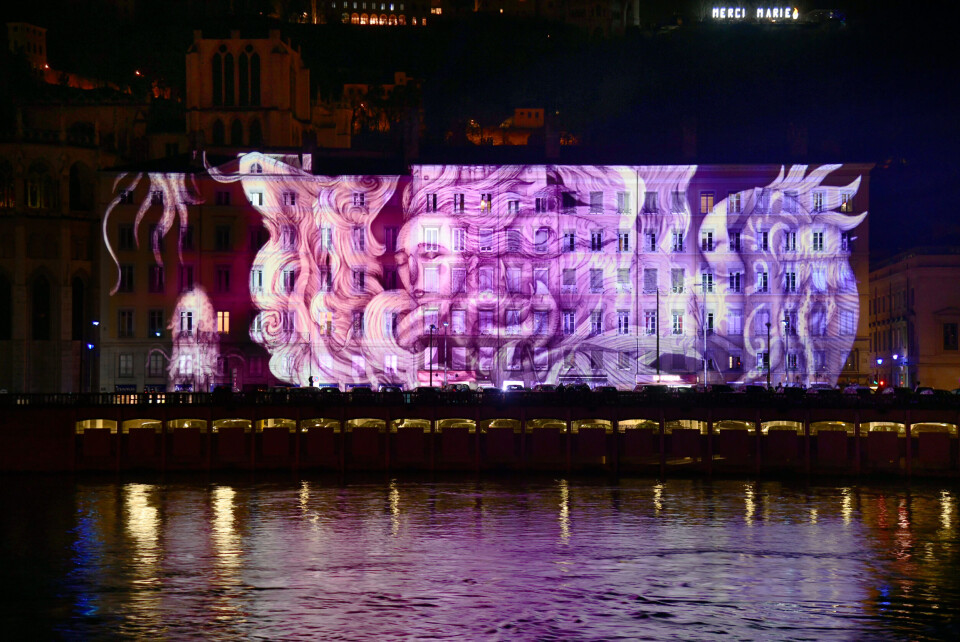
You are bound to pass by an illuminated building while walking through the streets of Lyon from December 7 to 10, thanks to the city’s free Festival of Lights.
Starting with a simple candle placed on a windowsill in 1852, the Fêtes des Lumières has grown into a four-night-long extravagance of light.
This year, the festival promises a spectacular display merging art, technology, and history, which is expected to attract two million spectators, particularly around certain displays.
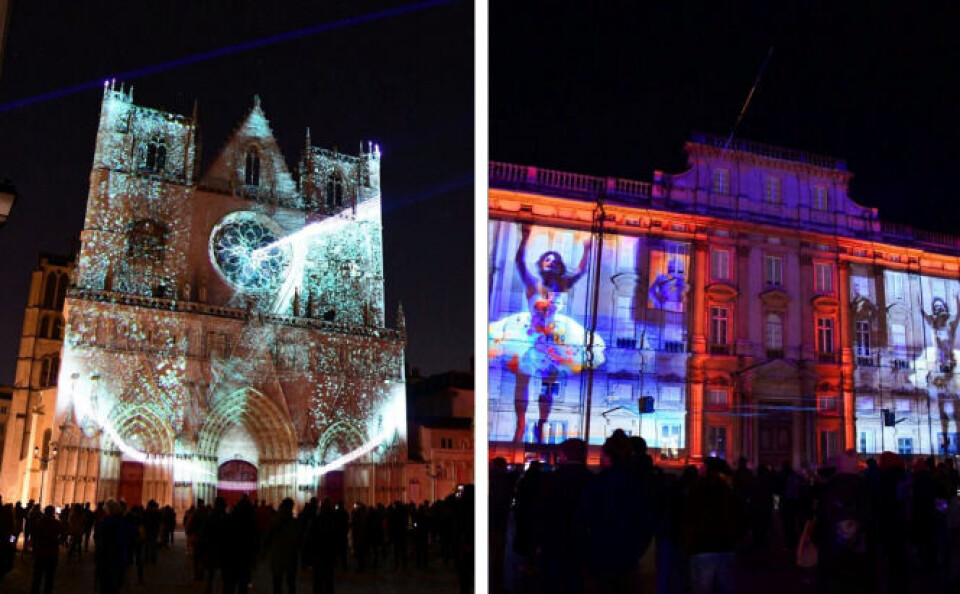
This free festival showcases the work of both renowned artists and emerging talents, turning the city into an open-air gallery.
From the grandeur of Place des Terreaux to the intimate corners of Vieux Lyon, each piece of art tells a story, inviting onlookers into a world of fantasy and creation.
For the best experience, visitors are advised to start their journey at Place Bellecour, working their way through the city’s various districts.
The festival’s history
In 1852, against a backdrop of social unrest and recurring floods, the decision was taken to erect a statue of the Virgin Mary in Fourvière.
The statue’s inauguration was initially scheduled for 8 September 1852. However it was postponed due to the Saône bursting its banks and flooding into the studio of the sculptor Fabisch, who designed the work.
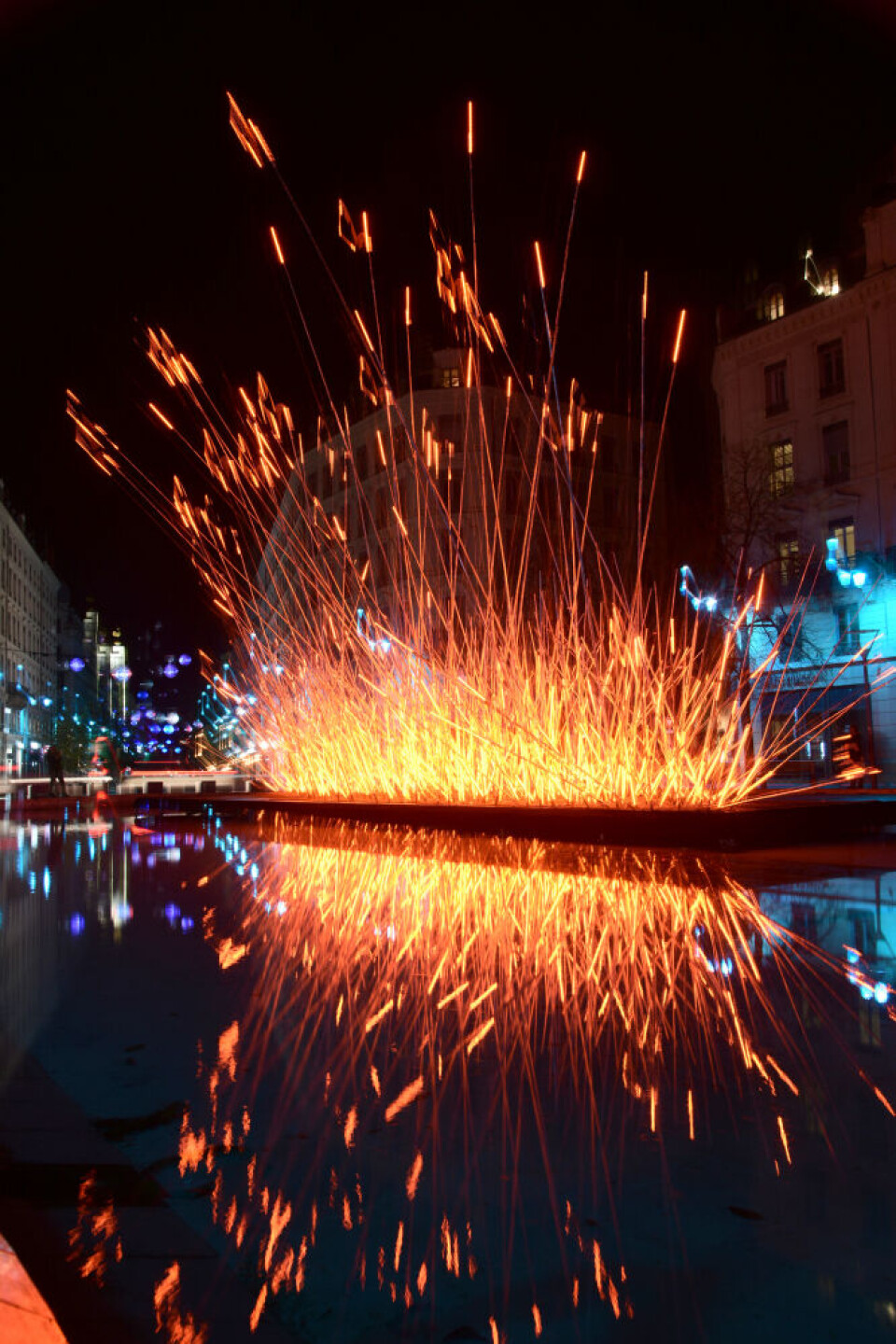
The inauguration was then postponed to December 8, the feast of the Immaculate Conception, but again had to be cancelled due to bad weather.
Luckily, as night fell the weather improved. To thank God for this sign, the people of Lyon decided to place a small candle on their windowsills. This became a tradition, and the people of Lyon have been repeating the gesture on the same date for more than 170 years.
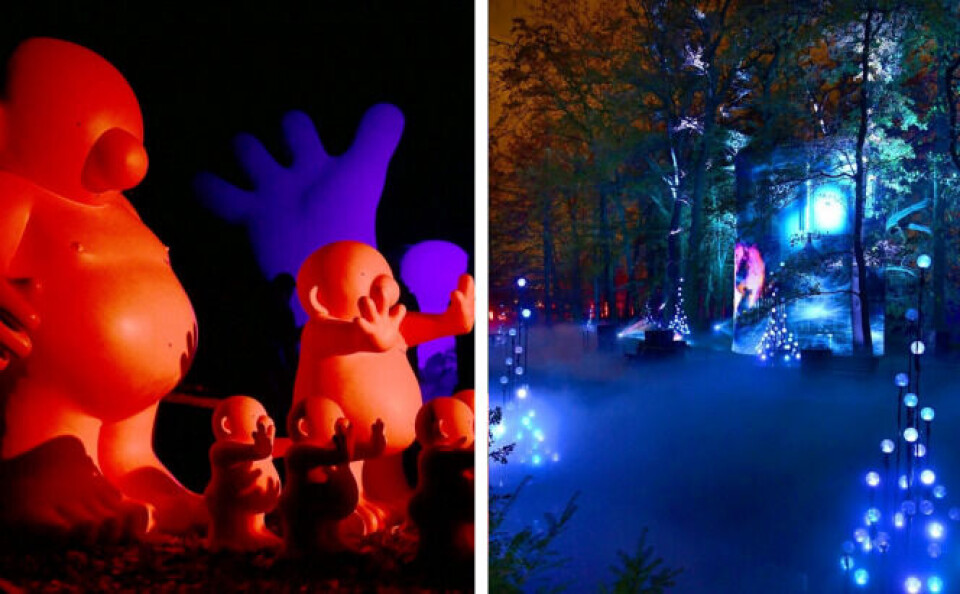
From a religious celebration, the event has turned into a popular festival, with hundreds of thousands of people strolling through the streets to admire the luminous displays of colour projected on the facades and monuments.
A nocturnal landscape
In 1989, then-mayor of Lyon, Michel Noir and his deputy in charge of urban planning, Henry Chabert, launched the Lumière Plan – a public lighting policy with the aim of creating a nocturnal landscape.
Designed by Lyon's public lighting department, this plan – the first in France – illuminated 300 architectural buildings in the city centre, transforming the dark city into a belle-de-nuit.
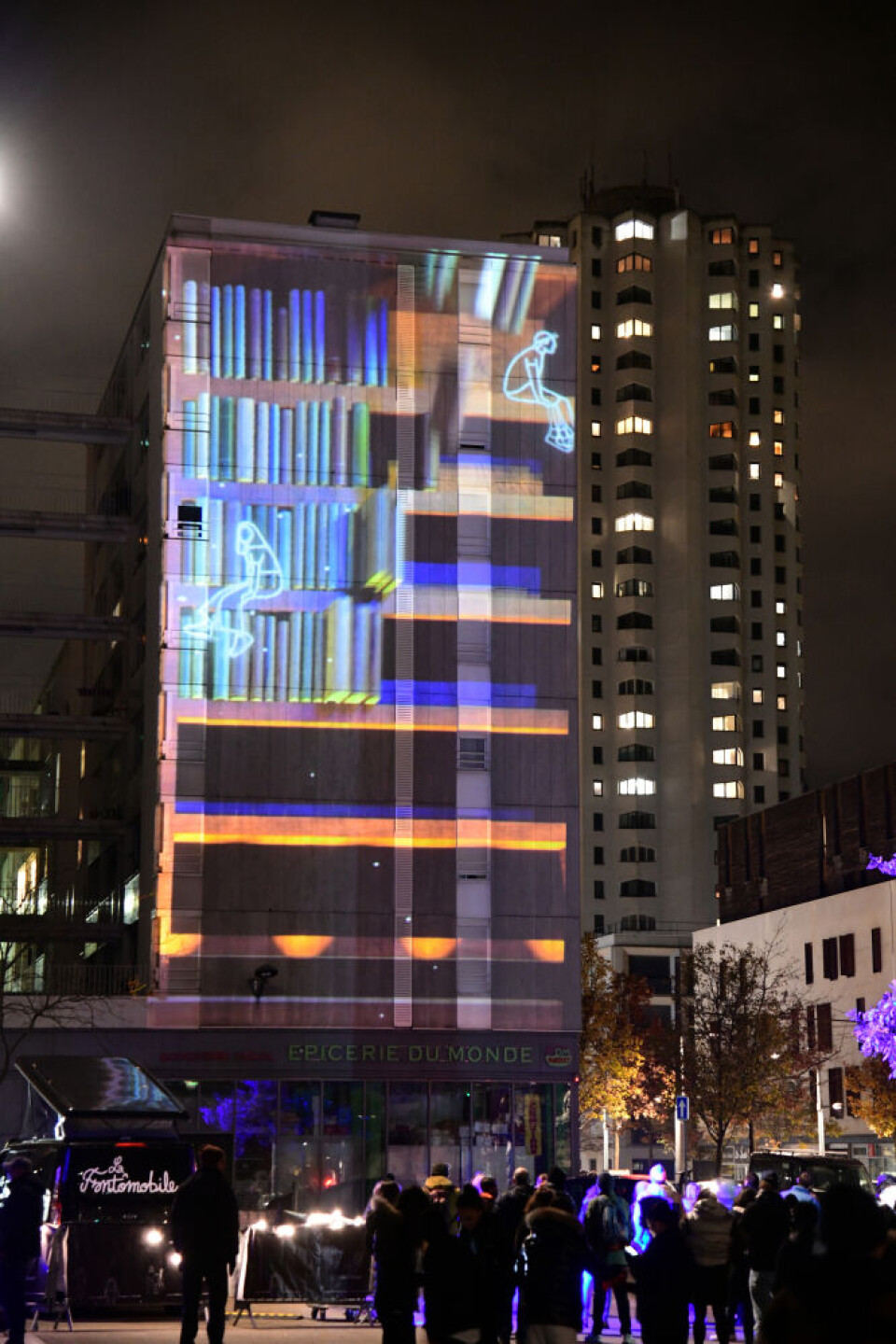
The Festival of Lights that we know today, which takes place over a four day period, is the creation of Raymond Barre, mayor of Lyon in 1999.
The second Lumière Plan, put in place in 2004, opened up the celebrations to other parts of the city creating "luminous atmospheres", specific to each location.
Read also
Musical festivals in France in 2024: who is playing and when


