






Ryanair to reduce winter flights, blaming high fuel costs
Airline cut 750,000 seats to France last winter season
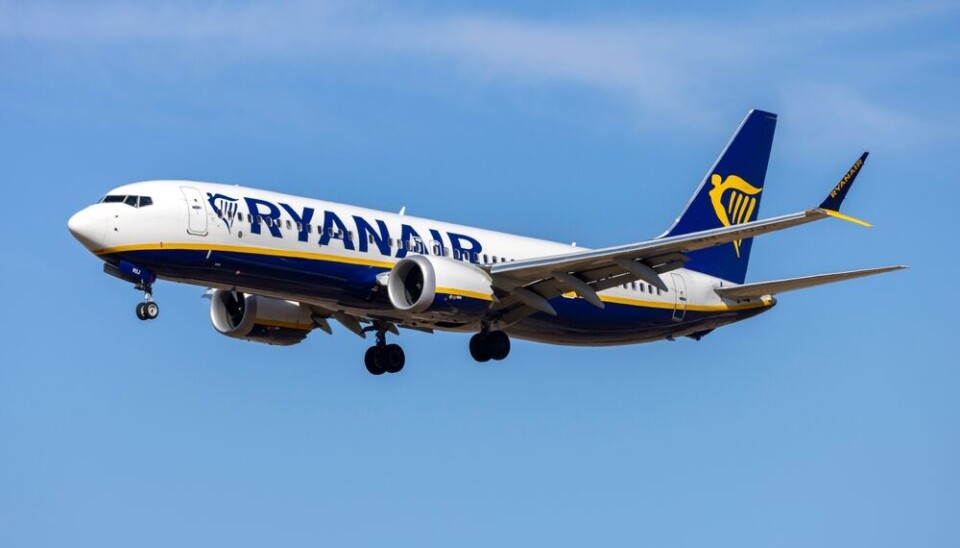


Budget carrier Ryanair is set to reduce the number of flights it offers across the winter season to reduce the impact of high jet fuel costs.
The Irish airline announced that it has cut estimates for the expected number of passengers it will carry between April 2026 - March 2027 from 216 million to 214 million in a press release, with the winter season seeing a reduction in expected traffic.
It is “sensible to strategically reduce the group’s exposure to unhedged jet fuel during the unprofitable winter schedule,” it said.
“Subject to pricing and passenger demand, Ryanair expects this one-off winter schedule cut to reduce [November 2026 - March 2027 losses] by €70 million to €100 million,” the company said.
Ryanair also warned that prices for short-haul tickets across Europe the following season (April 2027 - October 2027) would “increase materially” if jet fuel prices remain high.
Routes not specified
However, it is not clear how flights to and from France might be affected by the changes since the airline has not yet specified the winter routes it plans to reduce.
The Connexion contacted Ryanair’s press office, however a company spokesperson was unable to comment on the situation beyond what was given in the official press release.
It is possible that cuts will impact services to frequently-served destinations (resulting in fewer flights), or it may see certain routes completely axed from the schedule.
“We expect traffic from November to March to be broadly flat year-on-year [compared to the winter 2025 season],” the company said.
Ryanair released its full winter schedule in July 2026, with tickets for all services between November 2026 - March 2027 available to buy on the Ryanair website.
If a route is unavailable during this period, it means the service was either a seasonal option (running from April to October) or has been temporarily cancelled.
Services not scheduled for the November 2026 - March 2027 season include Béziers - UK routes, Bergerac - UK routes, Perpignan - UK routes, Brive - London Stansted, and Toulouse to Manchester/Edinburgh/Bristol.
Last year, France was hit hard by Ryanair cancellations, which the airline said was due to increased taxes on flights to and from French airports.
This saw many seasonal services for both winter (November 2025 - March 2026) and summer (April 2026 - October 2026) cut by the airline.
Overall, 25 routes (around 750,000 seats) to France were cut in winter alone.
In cases where passengers had purchased a ticket for a route that is subsequently cancelled, they will receive a full refund or option to transfer tickets to another journey.
Only 80% of fuel accounted for
In its press release, Ryainair said the planned reductions had been forced on it by volatility in the price of jet fuel. The ongoing conflict between the US and Iran, including renewed military action in the last few days, is causing major disruptions to oil and fuel prices globally.
Ryanair said that some 80% of its expected fuel usage across the winter season has been accounted for via ‘hedged’ fuel, jet fuel purchased in advance via a contract, as opposed to fuel bought at a current market price.
The cost of Ryanair’s hedged fuel, at around $67 per barrel, is significantly below current market prices for jet fuel, which as of the start of September 2026 stood at some $140 per barrel.
The impact of high fuel prices applies not only to the airline but also to several of its rivals.
“Some less well-hedged competitors will struggle to maintain capacity or even survive this coming winter season,” the company said in its press release.
Ryanair’s plan to cut routes stands in contrast to its main rival easyJet, which earlier this year announced several new winter routes, including between Paris and Southampton.
Despite the disruptions, Ryanair is expected to record another profitable year, the company said, albeit below the record profits seen in the 2026 year (running from April 2025 - March 2026).
Fuel aid extended for drivers
Despite oil costs remaining high – impacting both petrol and jet fuel costs – there is some good news for drivers in France.
Drivers will be able to benefit from an extension to the €100 fuel aid scheme if they have not yet done so, with around 1.5 million eligible workers yet to take advantage.
The scheme, which requires drivers to use their vehicle for professional purposes or for commuting, will remain open until September 30. It was previously set to close in July, and then August.


