-
Why can car washes in France remain open despite drought restrictions?
Professional car washes often include water recycling systems
-
Driver-monitoring cameras: What is changing with new cars in France
New measures are aimed at preventing serious accidents
-
Can I get a French driver's licence ‘from scratch’ without exchanging my US one?
You cannot hold more than one valid driving licence for use in France at the same time
What are the cyan blue ‘M’ signs appearing on French roads?
Most M-roads were former departmental roads – only the colour of the sign and the letter have changed, with the road number staying the same

France’s road identification system has expanded to include a new set of M-roads.
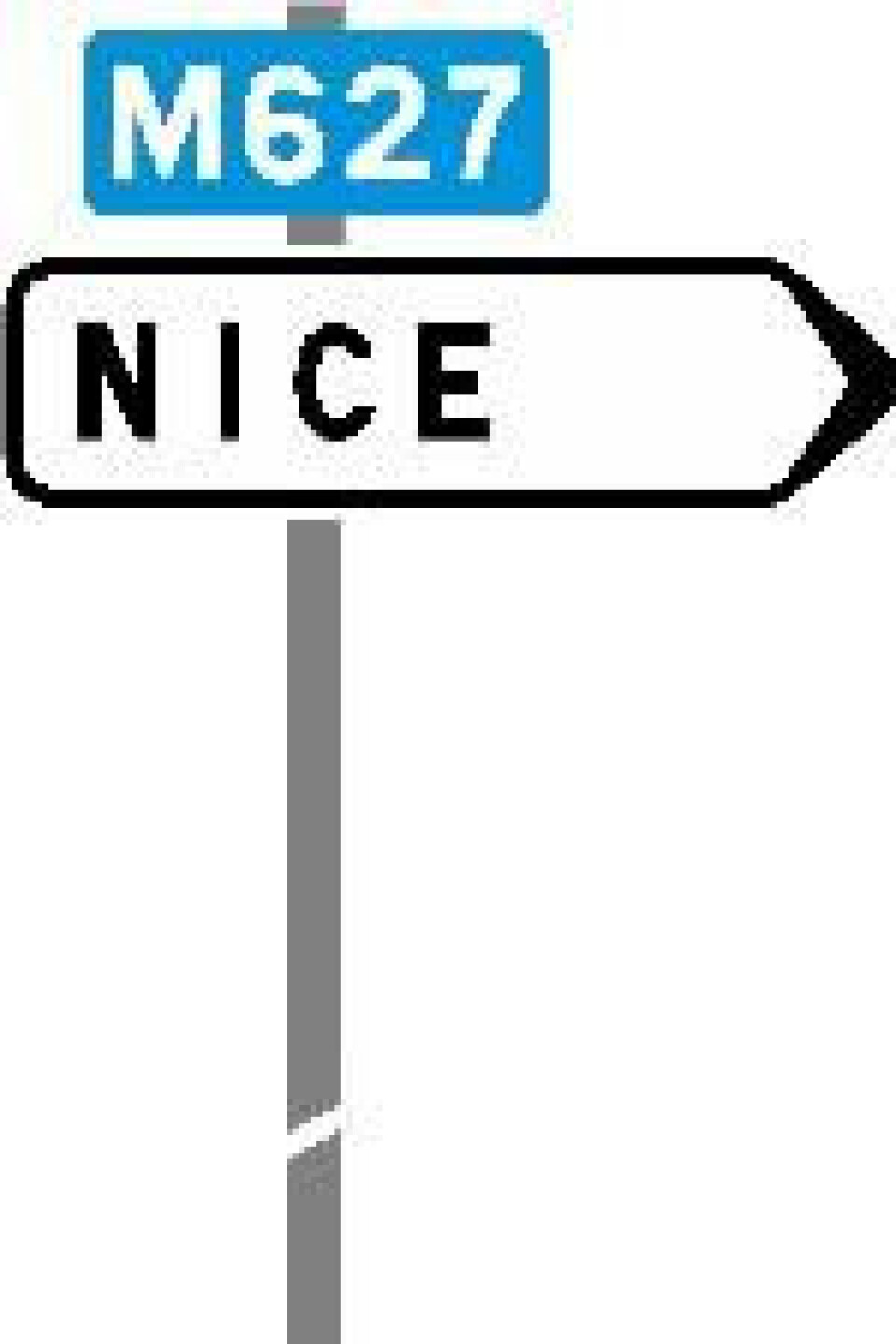
Distinguished by having white numbers on a light blue background, the M-roads are maintained and paid for by métropoles, the new local government groups centred around larger cities.
They join the system of roads made up of communal (signed with white panels with a C and black numbers), departmental (yellow panels with D and black numbers), national (red panels with white N and numbers) and autoroute (also red with white numbers but marked with an A) roads that already exist in France.
Most M-roads were former departmental roads – only the colour of the sign and the letter have changed, with the road number staying the same.
A road safety spokesman for the interior ministry told The Connexion: “There are no changes to the rules of the road or to speed limits associated with M-roads.
“Most are in built-up areas, so the appropriate speed limits already in place will continue.
“If they are out of town, the usual limit of 80kph will apply unless the roads are in a department where the procedure to increase speed to 90kph has been followed.”
He said emergency services are being briefed on the new system for when people call in after accidents.
They are aware that many satellite navigation systems will give the old departmental road designation until they are updated.
Métropoles which have, or will have, the new roads to look after are: Aix-Marseille, Bordeaux, Brest, Clermont, Dijon, Grenoble, Lyon, Grand Paris, Lille, Metz, Montpellier, Nancy, Nantes, Nice, Orléans, Rennes, Rouen, Saint-Etienne, Strasbourg, Toulon and Tours.
Related stories
Normandy has the politest drivers, Paris and Riviera the rudest
French village’s action to stop Waze sending cars onto its rural roads