






health
West Nile virus cases reach record high in France – see which regions are most impacted
The country recorded 212 locally acquired cases by November 2

Published


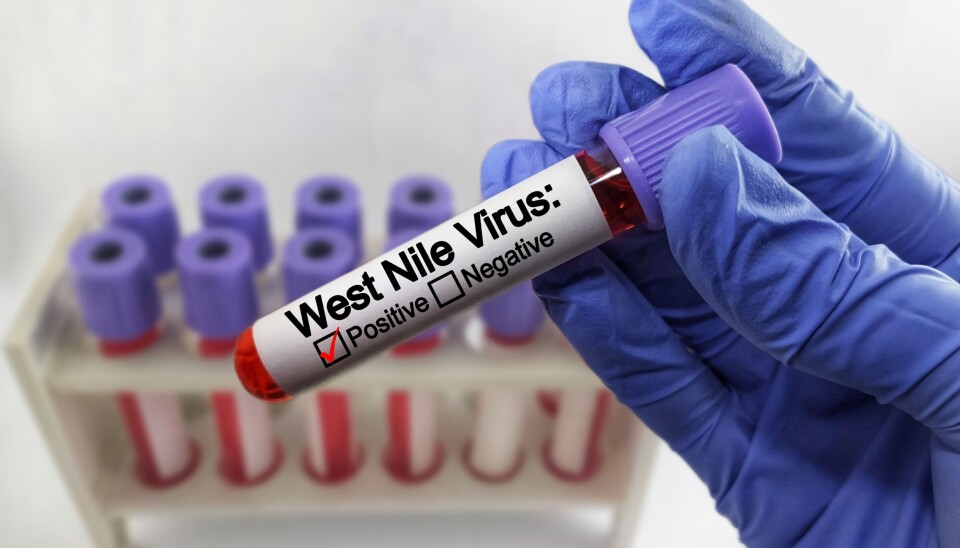
The number of locally acquired West Nile virus cases has more than tripled in France compared with 2025, with eight regions of mainland France reporting infections.
By November 2, France had recorded 212 locally acquired cases, according to national health body Santé publique France. In 2025, 62 cases were recorded throughout the year, which was already a record.
Of the 212 people infected this year, 177 developed symptoms, including 82 who experienced neurological complications.
Six deaths were recorded among these patients, although the agency said there was insufficient information to establish whether they were caused by the virus.
The virus is transmitted to humans through bites from infected Culex mosquitoes.
Which regions are most affected?
Cases have been identified in eight regions of mainland France, with the highest numbers recorded in the south.
Provence-Alpes-Côte d’Azur reported the most infections, with 75 cases across three departments: 37 in Bouches-du-Rhône, 20 in Var and 18 in Vaucluse.
Occitanie recorded 49 cases across seven departments, including 22 in Haute-Garonne, while 30 cases were reported across seven departments in Île-de-France.
Other affected regions include Auvergne-Rhône-Alpe (eight cases), Nouvelle-Aquitaine (12 cases), Pays de la Loire (15 cases), Centre-Val de Loire (one case) and Corsica (two cases).
In 20 cases, the precise location where the infection was acquired could not be identified.
Meanwhile, the virus was detected in 16 departments for the first time in 2026, including Aude, Tarn, Hauts-de-Seine, Seine-et-Marne, Yvelines, Drôme, Rhône, Isère, Ain, Allier, Loire-Atlantique, Maine-et-Loire, Vendée, Mayenne, Loiret and Deux-Sèvres.
Is the West Nile virus still circulating in November?
Since its summer peak, the number of infections has fallen, but the risk has not disappeared.
Santé publique France said that Culex mosquitoes remain active in mainland France between June 1 and November 30.
The number of cases peaked around the week of August 17 before gradually declining.
The European Centre for Disease Prevention and Control (ECDC), in its November 6 update, also said that conditions are now less favourable for transmission, but low-level circulation could continue in the coming weeks.
How can people protect themselves?
There is currently no vaccine against West Nile virus. Most infections cause no symptoms or only mild, flu-like symptoms.
However, around 1% of infections can lead to serious neurological complications.
People can reduce their risk by avoiding mosquito bites, including by using insect repellent, wearing long clothing and fitting mosquito screens to windows and doors.
Standing water around homes should also be removed where possible, as it can provide breeding sites for mosquitoes.


