






news
Gallop horseracing to end at 25 tracks in France
A total of 38 courses impacted as horseracing industry seeks to cut losses
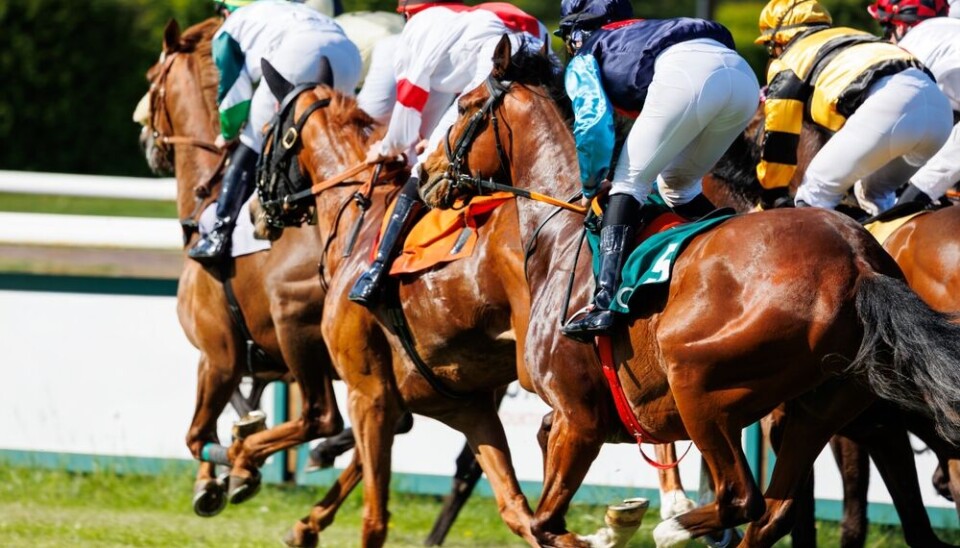


Plans to stop ‘gallop’ horseracing at 25 tracks across France due to a drop in betting revenue have been criticised by some racetrack presidents as an existential threat.
France Galop, which organises flat and jump horseracing in the country, announced the plans as part of its 2027 roadmap alongside the Société d’encouragement à l’élevage du trotteur français (SETF), which manages trotting races.
The 25 racetracks affected will be limited to holding trotting races.
For those unfamiliar with French horseracing, gallop racing is equivalent to horseracing in the UK or US with horses raced at full speed on the flat or over jumps.
In trotting races, the horse must maintain a trot and is disqualified if it breaks into a gallop. A common type of trotting race is trot attelé where the jockey sits in a two-wheeled cart pulled by the horse known as a sulky.
A further 13 courses across France will need to cut back on certain types of gallop racing, limited to hosting either flat racing or steeplechasing, but not both.
It comes as France’s main betting group for horseracing PMU (Pari Mutuel Urbain) has seen a sharp decline in revenue, primarily caused by an ageing user base and competition from online betting and increased betting on other sports.
France Galop obtains around 90% of its revenue from PMU, with the latter’s issues directly affecting the sport’s ability to organise itself, and in recent years it has been operating at a loss, with a deficit of €50 million reported by public service broadcaster France Info.
In 2025, France Galop was asked by the government to cut operating expenses and look for alternative revenue sources in light of decreased betting income.
Plans criticised
The changes will see France Galop concentrate on hosting races at more profitable racetracks, which see a higher number of bets, than smaller local courses.
There are currently 231 racetracks, which host 18,000 races annually. Of these, 7,000 are gallop races.
The new schedule took several factors into account including horse and rider safety, nearby economic factors, quality of local facilities, and competing race schedules.
At the same time, allocated prize funding has not been reduced, in a bid to keep the sport competitive and encourage the long-term success of horseracing in France.
“The message we want to convey, notably by maintaining prize money, is that we believe in this turnaround, and we are telling industry stakeholders that we are making a concerted effort over the next few years to secure our shared future for the long term,” said France Galop president Guillaume de Saint-Seine to AFP.
It is hoped that the changes will raise an extra €2.5 million per year for the industry, helping to turn its fortunes around.
Owners of the sidelined racecourses have reacted to the news with dismay, however.
“I have no words to express my disgust,” said president of the racing association in Sillé-le-Guillaume (Sarthe) Nicolas Madamet to AFP.
“Killing off small racetracks is hardly the way to turn things around,” he added. The small racetrack hosted a day of races in August, bringing around 600 people and seeing a major economic boost for the track and local community.
Sillé-le-Guillaume is likely to be deeply affected by the changes, which will likely result in its total closure.
Losing its gallop races will see the track unable to host seven individual races in a day (required for a ‘meeting’ or full event) at any point throughout the year, and only limited opportunities for one-off races, which are not enough to cover operating costs.
Other courses affected include the Aurillac racetrack, one of France’s oldest that has been operating since 1820.
“As things stand, the trotting sector cannot generate additional prize money, nor does it have any extra races to allocate,” said president of the South-West Federation for racetracks Gérard Cazeneuve to AFP.
“While some corrective measures were necessary, they shouldn't have been implemented with such urgency or in this particular manner.”
The affected racetracks are:
Agen
Auch
Aurillac
Beaupréau
Carcassonne
Carhaix
Cavaillon
Dinan
Divonne-les-Bains
Gramat
Guerlesquin
Guingamp
Hyères
Les Sables-d’Olonne
Méral
Meslay-du-Maine
Molières
Montauban
Montignac
Plessé
Plestin-les-Grèves
Plouescat
Sillé-le-Guillaume
Vitré
Vitteaux
An interactive map can be seen here.


