






-
Call to pull up and report highly allergenic ragweed in south of France
Health risks increase in summer if left to grow
-
Explore the new ‘Tour de Haute-Garonne’ cycle route
The scenic 665km cycle route in Occitanie features 13 stages and stunning beauty hotspots like the Canal du Midi and the Pyrénéen foothills
-
Spring is the season for gathering wild delicacies in France
Things to keep in mind when picking dandelions, nettles, wild asparagus and elderflowers
Why 'cicada' song in Brittany is not what it seems (and sounds like)
An environmental group was alarmed by the sound, which is usually heard in Mediterranean areas, but a local entomologist has a more logical explanation
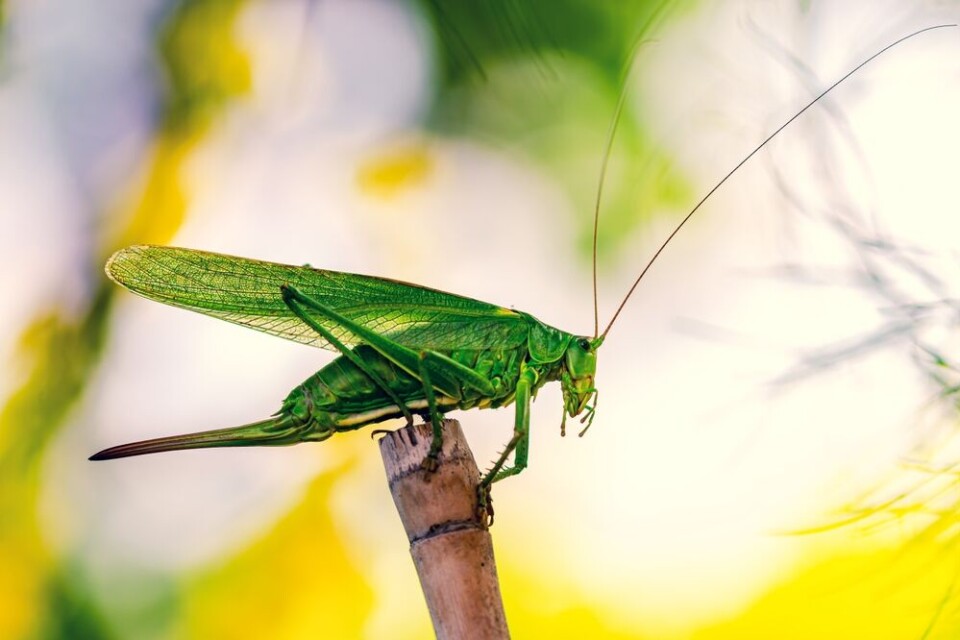
The ‘Cicada song’ reportedly heard in Morbihan, Brittany, by members of a local environmental group is probably not what it seems, a local entomologist told The Connexion.
The group Bretagne Vivante said that the insects, which are native to southern Mediterranean areas, could have been brought to the Saint-Marcel area on olive trees imported from Spain, adding that cicada larvae could have hidden in the bark and soil.
However, entomologist Michel Collin believes there is another, more logical, explanation.
Crickets the more likely culprit
Mr Collin, who originates from Morbihan and leads the Bureau d’Études en Entomologie, a Brittany-based entomological research and education group, said that the sound was probably that of crickets.
The great green bush-cricket, which can be found in almost all of France, produces a very similar sound to that of cicadas when temperatures rise in the summer.
This cricket is very susceptible to pesticides, which is why it has become increasingly rare in areas like Brittany where there is a lot of intensive farming.
Though it occasionally eats plants, this cricket mainly consumes other insects, such as caterpillars and pests like the potato beetle. Indeed, prior to the growth of chemical pesticides, these crickets were seen as free pest control.
Hearing them in Brittany is therefore a good sign. Although it is still a possibility that cicadas have been introduced accidentally, Mr Collin says it is ‘highly unlikely’.
Both cicadas and crickets ‘sing’ when temperatures rise above a certain threshold, which is why global warming may affect how much they are heard during the year.
However, they produce their sounds in different ways, as cicadas vibrate their hollow thorax while crickets mostly use a dedicated part of their legs.
Turning singing insects into cicadas is not a first in France: the poet Jean de la Fontaine’s fable, ‘the ant and the cicada’ was originally a Greek story by Aespo, titled ‘the ant and the grasshopper’.
Read more:
Why you may be hearing cicadas in France more this week
Être fourmi plutôt que cigale: A French expression you may hear today


