






-
SNCF launches flash sale of 450,000 TGV tickets at 45% off
Offer marks 45 years since the first TGV and runs until Thursday, for travel in October and November
-
TotalEnergies fuel stations and French refinery strike set for Thursday despite €1,000 bonus
The walkout raises fears for fuel supplies that are already under strain
-
French high school protests block 1,800 schools and 57 university sites
Teachers, politicians, and union security join protests to protect pupils and limit violence
Bronze Age jewellery discovered intact at prehistoric site in France
Hundreds of bronze items including weapons and jewels were found inside pots buried in an area of Auvergne-Rhône-Alpes. One theory is that they were divine offerings
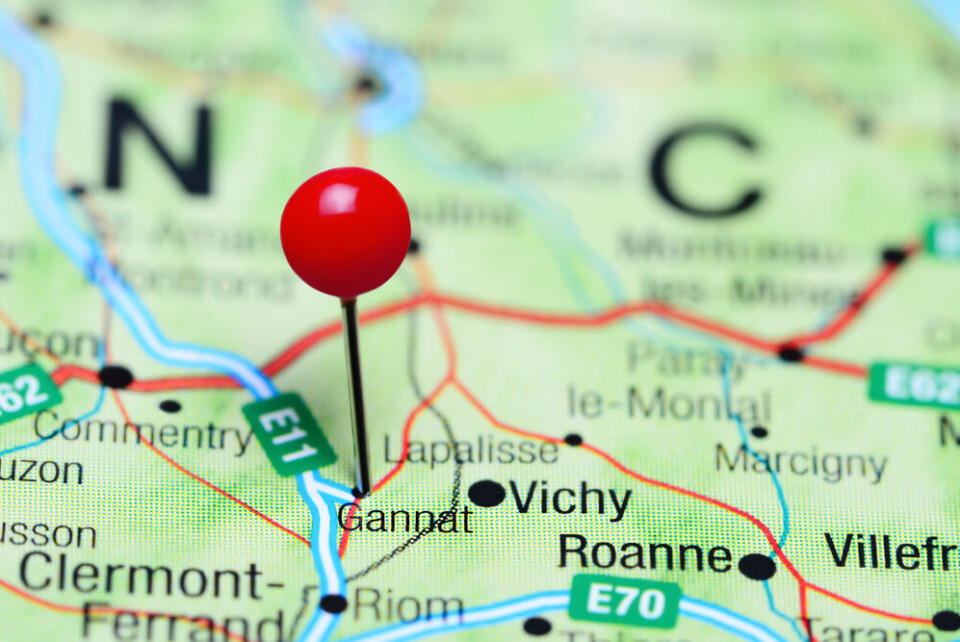
Bronze Age pottery packed with jewellery and weapons has been discovered by archaeologists working on a prehistoric site in Gannat in Allier.
The finds were made while excavating a fortified settlement dating from 800BC with the pots believed to have been buried deliberately some 3,000 years ago.
Hundreds of objects made from bronze were found intact, Pierre-Yves Milcent, lecturer at the University of Toulouse-Jean Jaurès confirmed on Friday.
Âge du Fer, âge du Bronze… Héritées de l’archéologie du XIXe siècle, ces expressions sont d’emploi constant, mais sont-elles surannées ? Des dépôts métalliques découverts dans l’Allier, suggèrent une continuité entre ces deux périodes culturelles. https://t.co/anTLmQOfWc
— Pour la Science (@PourlaScience) August 20, 2021
Two vessels unearthed in 2020 have already been analysed, revealing women’s or children’s jewellery, such as bracelets, anklets and pendants at the bottom.
Next, one of them contained a layer of tools and weapons, while the other had chariot decorations, riding equipment and wheel parts in it.
Bronze axes had then been placed on top of each vessel.
"They could be offerings as found in Greece at that time, deposited during the foundation or abandonment of the settlement, to help ensure divine protection", said Dr Milcent.
"This discovery, with intact artifacts, is exceptional because it allows us to better understand how and why they were buried", he added.
Other finds discovered this summer are still being analysed.
Allier is well-known for its sites of prehistoric interest and one of the aims of the research programme is to limit the damage caused by looting.
The region had significant economic potential, thanks in part to the navigable Sioule river and to the soil, which provided the tin for making bronze.
Related articles
French customs seizes 27,000 looted archaeological artefacts


