






-
Euro hits three-month high against dollar - how will this affect Americans in France?
How Americans in France can protect their finances from currency fluctuations
-
Var set to ban hunting in communes impacted by forest fires
Local hunters approve ban, which includes exemption for wild boar
-
Videos: Torrential storms cause flash flooding in south-east France
Some areas saw more than 100mm of rain in just a few hours
France's pension reforms largely approved as referendum rejected
France’s highest constitutional authority has validated the most controversial part of the country's pension reforms - raising the minimum retirement age from 62 to 64
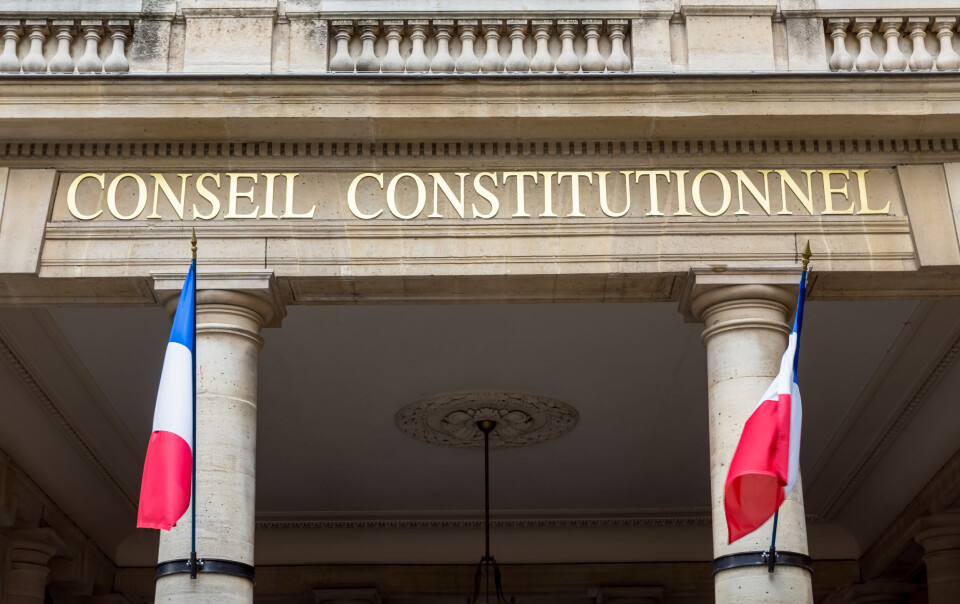
France’s highest constitutional authority, le Conseil constitutionnel, has largely approved the government's pension reforms.
Late on Friday (April 14) afternoon, it validated one of the most controversial elements: raising the minimum retirement age from 62 to 64.It also rejected the idea of having a referendum on the issue.
But it rejected several elements of the reforms, including a “senior index”. That would have obliged companies of a certain size to publish how many employees they had aged over 55.
The reforms are set to enter into force in September.
What has been the reaction to the decision?
Prime Minister Élisabeth Borne said leConseil constitutionnel had judged “in both substance and procedure that the reform conforms with our constitution”.
“The text is coming to the end of its democratic process,” she added. “Tonight there is no winner or loser.”
Jean-Luc Mélenchon, leader of the far-left La France insoumise party, was among the most scathing over the decision.
He said: “The decision of the constitutional council shows that it is more attentive to the needs of the presidential monarchy than to those of the sovereign people. The fight continues and must gather its forces.”
How does France’s highest constitutional authority work?
Le Conseil constitutionnel has nine members, all of whom are nominated by the French president, and the presidents of the Parliament and Senate.
Its main function is to ensure the French constitution’s rules and values are upheld. It can also be asked to rule on questions such as:
- Controversial legal decisions
- Whether to hold referendums on key topics
- Possible contraventions of the 1789 Convention of Human Rights
Each member of the council has a chance to share their position on a given decision, and then the council votes. The council president has the deciding vote, so is the last to give an opinion. The final decision must be unanimous.
The council was asked to rule on France’s controversial pension reforms after the government pushed legislation through parliament with MPs voting, using the article 49.3.
Read more: What is article 49.3 and could it help pass France’s pension reforms?
Read more: French PM survives two no-confidence votes over pension reforms
The reforms, which centre on raising the minimum retirement age from 62 to 64, have caused long-running strikes and protests.
Related articles
What is France’s Constitutional Council and why is it in the news?
Updated: Dates and sectors of upcoming pension strikes in France


