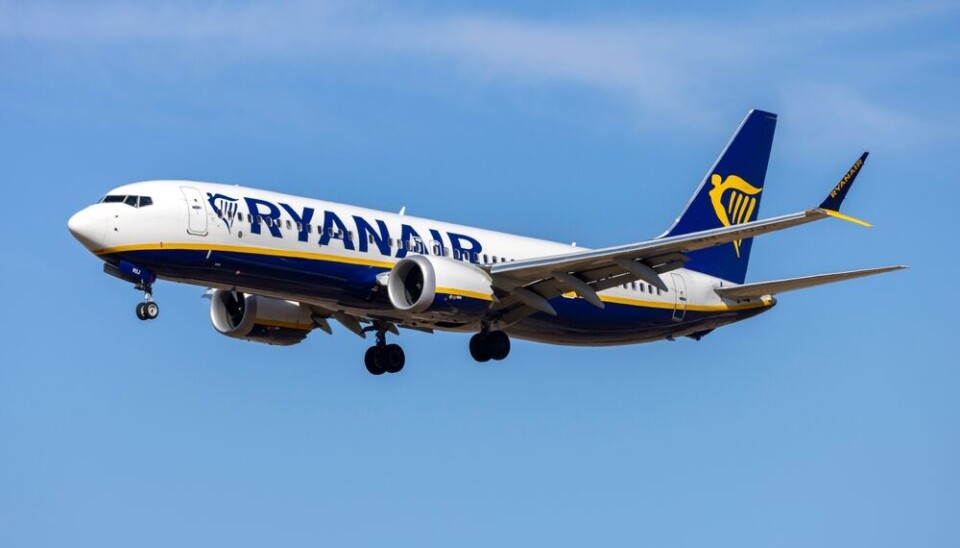
Ryanair rules out summer flight cancellations due to fuel issues
Fares are dropping due to lower demand - but are likely to increase later
The low-cost airline is reported to have around 80% of fuel supplies in place until April 2027
InsectWorld/Shutterstock
Irish low-cost carrier Ryanair has ‘near-zero concerns’ of a summer jet fuel shortage, says CEO Michael O’Leary, but travellers may still see higher fares this summer and beyond.
The airline says all of its fuel requirements are assured until at least mid-July and it does not foresee any change in conditions later in the summer.
“There was a real concern in Europe two months ago. We now have almost zero concerns over fuel supplies in Europe. The challenge remains price,” said Mr O’Leary, as quoted in The Guardian
The comment mirrors general attitudes in the travel sector, and comes after the carrier was initially fearful of summer cancellations.
Rival airlines easyJet and Jet2, as well as holiday operator TUI, say that there are no imminent jet fuel shortages that will impact summer services, and the UK government confirmed there were no immediate supply issues.
Ryanair has reportedly ‘hedged’ around 80% of its expected jet fuel requirements until April 2027, purchasing the kerosene in advance at a fixed price. The fuel has been sourced from suppliers outside of the Middle East, including North America, West Africa, and Norway.
However, a prolonged blockade to the Strait of Hormuz – responsible for around 40% of Europe’s kerosene supply – due to conflict between the US/Israel and Iran would jeopardise airlines that have not hedged fuel in advance, Mr O’Leary said.
“If [the blockade] does continue over… there will be airline casualties in Europe this winter,” he added.
Prices drop… but for how long?
Risks of mass summer flight cancellations now appear alleviated as the industry has scrambled for alternative supplies – albeit at a higher cost. Airlines naturally look to pass these extra costs onto passengers, but a lack of demand is limiting their ability to do so.
Consumers remain fearful of cancellations with a new trend of last-minute bookings appearing. This can keep prices low as seats remain available for longer, although a flurry of late bookings can see customers face higher costs for final tickets, or miss out altogether.
In addition, a cost-of-living crisis exacerbated by the Middle East conflict (higher fuel and energy prices, groceries, etc) has led many households to tighten their belts, and overseas holidays are among the first luxuries to go, something the industry is well aware of.
“Airlines and holiday companies are having to drop prices, or at best keep them level, just to keep demand ticking over,” said head of markets at AJ Bell investment platform Dan Coatsworth to The Guardian.
The market is “too fragile” for airlines – particularly low-cost models – to raise prices this summer, he added, but this may only lead to increased costs in the future.
Reduced ticket demand has led pricing to remain consistent to last summer – and seen some carriers offer seat sales in a bid to increase bookings – but a drop in profits from higher fuel costs are expected to see prices rise in the future.
Fellow low-cost airline easyJet has launched a ‘book with confidence’ scheme, locking in ticket prices at-purchase and promising they will not increase via fuel surcharges.
Ryanair predicts it will drop prices by around 5% by the end of June due to lower demand.
However, prices will need to rise if the airline is to maintain previous profits of €2.26bn (from the year March 2025 - March 2026).