






driving
Changes coming to several French low-emission zones in 2027
Tougher restrictions and fines for drivers in some cities
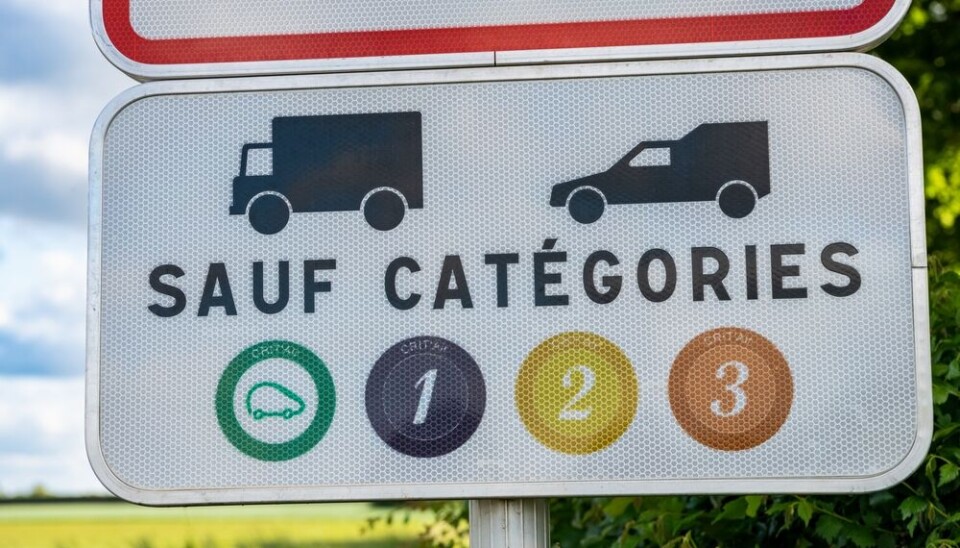


Changes to some of France’s low-emission zones (ZFEs) are scheduled for 2027, as restrictions on more vehicle types are set to be implemented in a number of zones.
In some cities, this will see the end of tolerance periods for some vehicles, and drivers in violation of rules will face fines as opposed to being reminded of the rules.
Cities to see changes include Paris, Grenoble, and potentially Montpellier.
In Strasbourg, plans to introduce stricter limits on January 1, 2027 may be postponed by one year, with a public consultation on the matter running until November 15.
Low-emission zones to remain in place
France’s Zones à Faibles Émissions (ZFE, low-emission zones for vehicles) have faced a turbulent couple of years.
ZFEs were gradually introduced from 2019 as part of plans to lower pollution in urban areas.
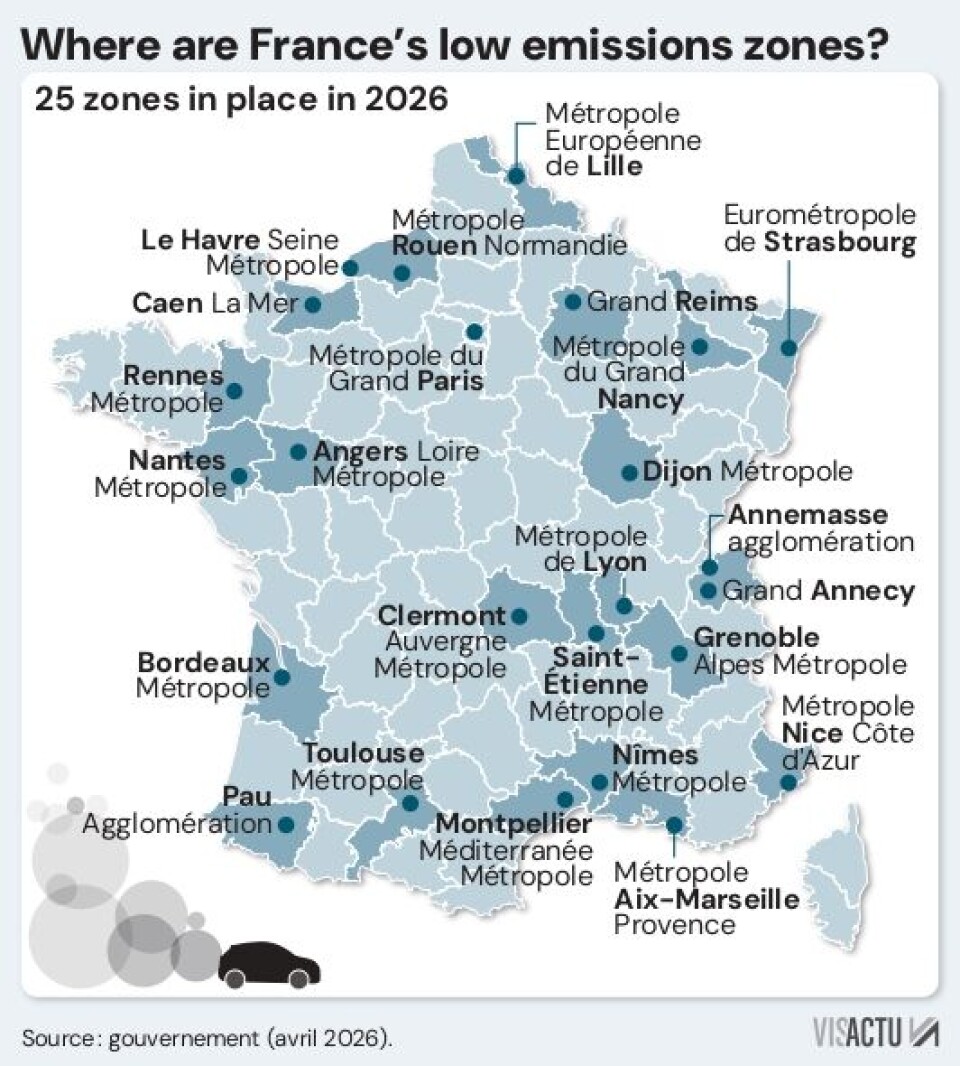
As of 2026, there are 25 zones across France.
The zones are closely tied to France’s ‘Crit’Air’ stickers, which show the amount of pollution a vehicle emits. Ratings on stickers range from 0 (for electric vehicles, etc) to 5 for the most polluting and oldest vehicles.
The oldest vehicles, those registered before 1997, are not eligible for a normal sticker, but may be exempt from restrictions if they are classified as classic vehicles.
All vehicles passing through a ZFE must have a Crit’Air sticker, even if they are not subject to driving restrictions based on how much pollution they create.
This includes international vehicles, with drivers having to order a Crit’Air sticker before entering the zones. This can be done using the official website (for both French and internationally registered vehicles).
A measure to abolish the existing zones was added to the government’s ‘simplification of economic life’ bill by right-wing MPs during its passage through parliament in 2025.
The government was unable to repeal the addition before the final vote on the text in April 2026, despite offering a number of concessions relating to drivers and the zones.
Despite its inclusion in the final version of the text, the specific motion relating to ZFEs was struck from the final law by France’s Constitutional Council for being too far removed from the initial aims of the simplification bill.
A new bill with the main intention of abolishing the zones was introduced, but was narrowly rejected by a committee of MPs, and was not voted on despite being debated on October 8, 2026.
Major parties will have their own policies on ZFEs, ranging from expanding their presence, keeping the status quo, or abolishing them.
An overview of the current rules, as well as their effectiveness in curtailing pollution, can be seen here.
New rules in Paris, Grenoble… and maybe Strasbourg
As it stands, ZFEs remain in place, but local authorities have greater control over the zones as opposed to simply enforcing rules passed down from the central state.
This autonomy extends to local authorities setting the rules for drivers across each zone.
Only Paris and Lyon, cities that were failing clean-air targets, have recently been required to adhere to harsher state-set limits on ‘Crit’AIr 3’ vehicles.
Others including Rouen, Strasbourg, and Marseille have the option to ban vehicles of this type if they wish, but they are not required to do so.
Limits in place within a ZFE can vary considerably, with some ZFEs banning only the most polluting vehicles, and others excluding certain vehicles from the list of those banned.
Other cities have different rules in place. For example, Toulouse is one of several cities to offer drivers a ‘ZFE pass’ with a certain number of days where they can drive vehicles that would otherwise be banned by restrictions within city limits.
Lyon is the site of some of the harshest restrictions currently in place, banning vehicles of a Crit’Air 3 level and above.
Crit’Air 3 vehicles include petrol cars registered between 1997 and 2005, diesel vehicles registered between 2006 and 2010.
Cars and two-wheelers driving inside the ZFE with a Crit’Air 3 or above face a €68 fine, increasing to €135 for larger vehicles such as lorries and coaches.
Currently, a ban on Crit’Air 3 vehicles is in place in the Greater Paris ZFE (Paris proper and its suburbs), but until December 31, 2026 this comes alongside an ‘education period’, where drivers breaking the rule will be informed about the changes but not fined.
From January 1, 2027, it is expected fines will be issued.
Similarly, an education period in Grenoble will last until June 30, 2027, after which fines are expected to be issued for Crit’Air 3 vehicles driving through the ZFE.
Local authorities in Montpellier voted in 2025 for a moratorium on Crit’Air fines until January 1, 2027. If this is not extended, vehicles with a Crit’Air sticker of 3, 4, or 5 may face fines, however, this is not yet confirmed.
In Strasbourg, the ZFE timeline is set to see Crit’Air 3 vehicles banned from January 1, 2027, however local authorities are considering a one-year postponement.
According to city authorities, around 11,000 vehicles previously driving through Strasbourg have been banned due to the restrictions.
However, the introduction of restrictions on Crit’Air 3 vehicles would see around 39,000 vehicles banned.
City authorities say that the current restrictions have improved air quality in the city, reducing the need for controls to be immediately implemented.
As it stands, no other authority plans to ban Crit’Air 3 vehicles in 2027.
You can check a mairie’s website for rules for a ZFE you are planning to drive through – or regularly cross.


