






health
Man dies after contracting Shamonda virus in France
Case is world-first for transmission of illness to humans
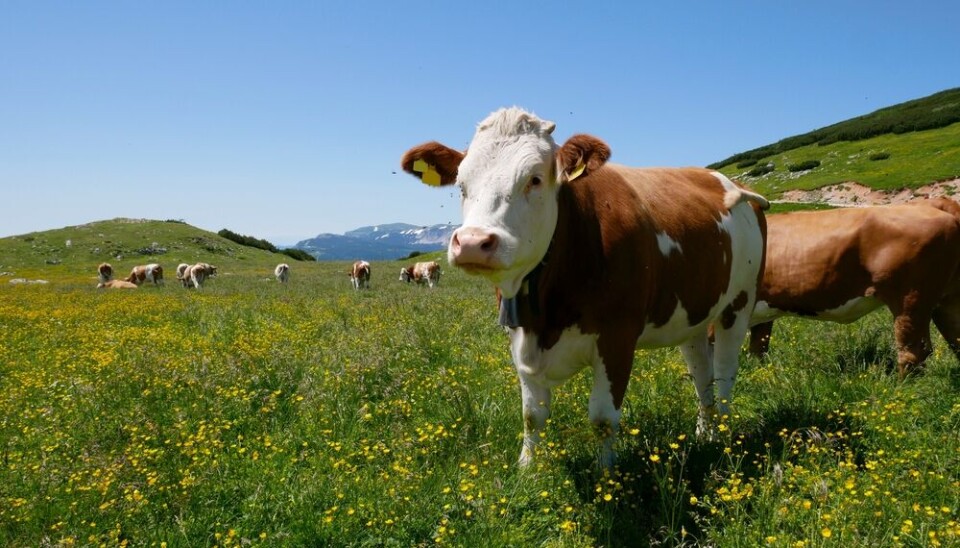


The first ever human case of ‘Shamonda’ virus has been detected in France, with the disease previously thought non-transmissible to humans.
A patient with severe immunodeficiency was infected with the virus earlier in the year, and died in October. He was being treated in Lyon.
“Clinical, biological, and epidemiological investigations are still underway,” said the health and agriculture ministries in a joint statement on the matter.
The victim is thought to have been infected through the bite of a Culicoides midge in eastern France.
Health authorities have downplayed concerns about the disease, however, and further transmission to humans is not expected.
“Despite decades of circulation of the Shamonda virus in Africa and Asia, no human cases had been documented until now. This is therefore an exceptional case occurring in a severely immunocompromised patient.
“Based on current knowledge of this virus, no health risk to the general population has been identified at this time,” the ministries said.
International health bodies including the World Health Organisation (WHO) and the European Centre for Disease Prevention and Control (ECDC) have been informed of the incident.
Virus spread this summer
Shamonda virus is an ‘orthobunyavirus’ that has been reported in several European countries in 2026, although it first appeared in Nigeria in the 1960s.
It is closely related to the Schmallenberg virus, which was first discovered in Germany in 2011 and was the first account of such a virus in the northern hemisphere.
Several cattle herds in Europe, primarily in eastern France, have been found to be infected with Shamonda virus this summer, as well as cows in Jersey (a UK Crown Dependency).
Currently, the disease is present in 51 French departments.
It is spread by biting midges, and primarily affects cattle, although cases of infection in other livestock including sheep, goats, and alpacas have also been reported, alongside horses already suffering from health issues.
In cattle, the virus causes fever, diarrhoea, and reduced milk production, and can lead pregnant cattle to pass the disease on to calves or fail to bring their calves to term.
Previous studies into the Schmallenberg virus did not consider it a risk to human health, as most other similar diseases are not zoonotic (meaning they cannot be transmitted from an animal to a human).
In addition, animals began to acquire a form of natural immunity against Schmallenberg virus, although further outbreaks were recorded in 2016.


