






-
France’s new-generation TGV to welcome first passengers starting next month
The inaugural journey will run between Paris and Marseille
-
Normandy rail strike: five lines disrupted this Friday and Saturday
Ticket inspectors walk out after a knife attack on a colleague, with four unions backing the action
-
French PM says diesel stockpile release will cut prices by up to 18 cents per litre
Sébastien Lecornu used televised speech to promise release of ten million barrels of diesel and address lycée protests
Travel: How to be reimbursed if affected by strike action in France
Widespread disruption is expected for travellers on Friday due to a nationwide strike
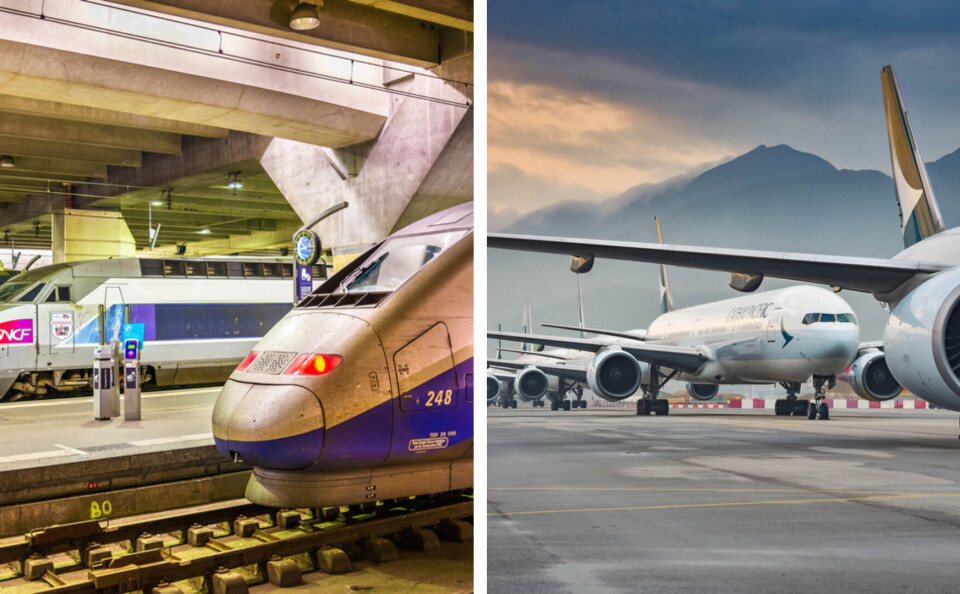
Widespread disruption is expected for travellers on Friday October 13, as unions in France call upon workers across multiple sectors to strike.
Hospitals and schools will see workers walk out, as will many forms of public transport across the country.
Workers on France’s national and regional rail services are expected to strike, as are local public transport workers, such as in Paris, cancelling trips across the country.
In addition, Air Traffic Controllers (ATCs) in French airports will also join in strike action – some airports have already confirmed there will be disruption on Friday, including at Paris Orly, where 40% of flights have been cancelled.
It is possible to get full or partial reimbursement on a number of methods of transport, however – we explain how.
For trains
The SNCF has to give at least one day’s warning before strike action, meaning most information relating to disruptions will be available on Wednesday evening (usually the information is released around 17:00 French time).
If not, it will be made available on Thursday.
You can look online, or on national SNCF or local rail social media pages to see if disruptions will occur on your route.
If you are taking an InOui (high-speed TGV service) or an Intercités route and your train is cancelled, you should receive a text or an email informing you of this.
The message will also give you the option to exchange your ticket for one on the same route at no extra cost, providing a ticket is available.
Alternatively, you can cancel it using the SNCF website and receive a full refund.
If travelling on a Ouigo train (the low-cost high-speed alternative to InOui), you can exchange your ticket for a new journey on the same route within the next seven days after the train was cancelled.
This has to be done by 23:30 the night before the journey was set to take place – if not, you will receive an email with a refund voucher, which you can use to add money to your card.
If you are travelling on a TER regional service, tickets can usually be cancelled with a full refund up to the day before the journey takes place, unless they are special promotional offers.
If you own a season pass for a regular TER route, this may also be partially refunded, although this is usually only the case if there are issues across multiple days.
For flights
You have the right to request a full refund from the operator if your plane is cancelled, up to seven days after the cancellation.
In addition if your flight is delayed more than four hours, you are entitled to additional compensation, and if it is delayed until the following day, you should also be given free telephone calls, accommodation, food and drink.
This compensation is not given if you were notified of the cancellation two weeks or more in advance. This should not apply here, therefore, as Friday’s strike announcements only started on Monday (October 9).
Regulations do not provide compensation for costs already incurred such as accommodation, however. This is why cancellation insurance is often recommended when booking flights as this will usually cover such additional costs.
Related articles:
What to do if you need doctor during strikes starting Friday in France


