






-
Normandy rail strike: five lines disrupted this Friday and Saturday
Ticket inspectors walk out after a knife attack on a colleague, with four unions backing the action
-
French PM says diesel stockpile release will cut prices by up to 18 cents per litre
Sébastien Lecornu used televised speech to promise release of ten million barrels of diesel and address lycée protests
-
Temperatures to drop by 12C as first snowfall to hit Pyrenees and Alps
Storms to continue in the south
Why electric vehicle insurance premiums are set to rise in France
There are two main reasons for the increasing costs
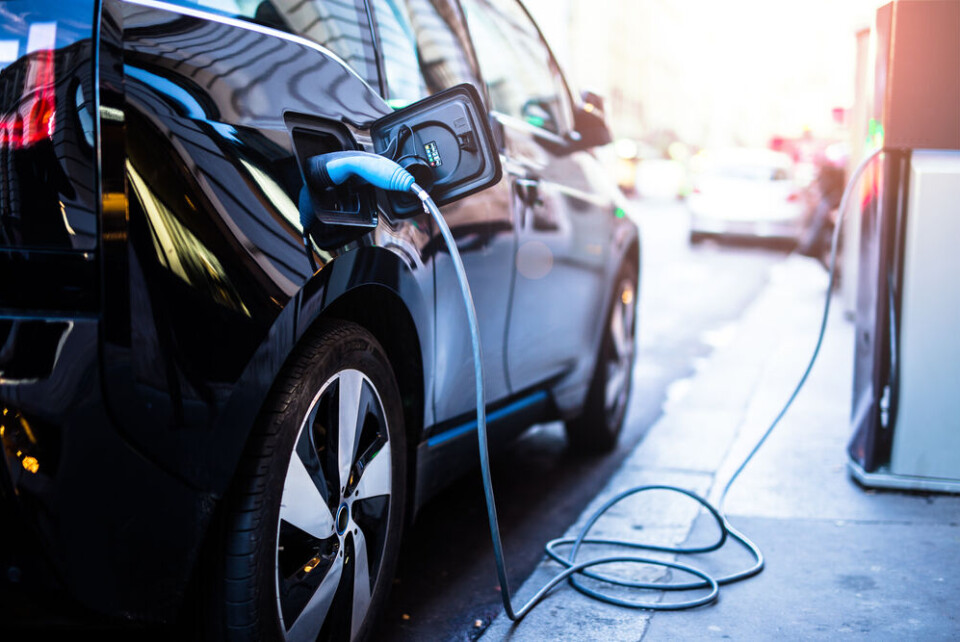
The price to insure an electric car in France is set to jump in 2024. The principal reasons for this are the end of tax benefits for electric vehicles and their higher repair costs.
Electric vehicles (EV) will no longer be exempt from a tax on insurance agreements (TSCA) from 1 January 2024.
The tax benefit was introduced for electric vehicle insurance with the 2021 Finance Act. However it is only scheduled until December 31 2023 and there are no plans to extend it in the 2024 budget bill.
The loss of TSCA exemption will increase costs for EV owners as it offers savings of 20-25% on third-party insurance and 12-15% on comprehensive insurance.
The second factor that could increase the amount of car insurance for electric vehicles is a high cost of repairs. Electric vehicles use a lot of aluminium which is more expensive and can be more complex to repair than steel.
In addition, replacing a battery in an electric car may not be economically viable, as it can account for up to 50% of the cost of a car.
New incentives to be introduced
The French government is aiming to introduce new incentives next year to persuade people to switch to electric vehicles despite these increasing costs.
The Economy Minister suggested a “social leasing” offer in which households will have the opportunity to rent an electric car with an option to buy it.
It is also suggested that the 2024 Finance Bill will support the installation of home charging stations for individuals via a tax credit to a maximum amount of €500.
The Economy Ministry has also just extended the ecological bonus for the purchase of a vehicle to private individuals – a subsidy which favours vehicles with a low carbon footprint such as electric cars.
If the vehicle is manufactured within Europe aid can be as high as €5,000.
Pros and cons of electric vehicles
The main arguments in favour of going electric are that it is better for the environment, and as such they can be driven without cost in low-emission zones. EVs could also be cheaper to run depending on the regular recharge costs.
However EVs can still be expensive to buy and insure compared to many petrol or diesel vehicles, even with government aid.
In addition the distance an EV can travel before requiring a recharge is still less than that of a petrol or diesel car.
Read more: Driving in France: Is it time to switch to an electric car?
Things to consider before going electric
Before making any big decisions about switching to an electric vehicle, points to consider include:
Do the ecological benefits outweigh the environmental impacts?
How much battery life do you need for your typical journey lengths?
Are there charging points where you will need them?
Are you able to install a charger at home?
What financial aid are you entitled to?
Read also
New carbon scores will keep foreign electric cars out of France
How electric car grants are changing in France


