French farmer protests: renewed road blockades and demonstrations as Mercosur anger remains
Farmers from all unions are protesting, with new action including truck inspections at Le Havre port and on motorways
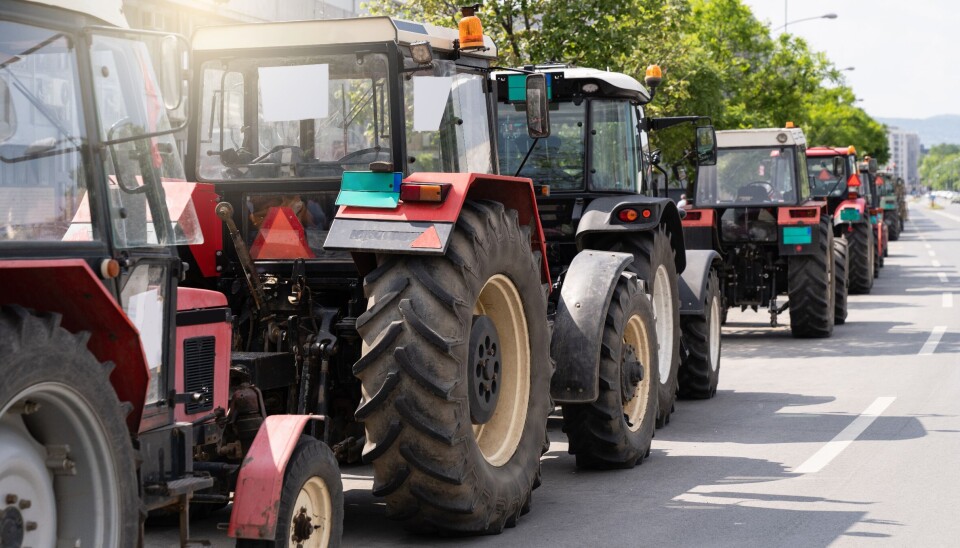
New disruptions were recorded in the north of France on Monday (January 12). Photo for illustrative purposes only
Scharfsinn/Shutterstock
French farmers are continuing to protest this week, with new roadblocks being raised and several demonstrations expected.
In the south-west, the A64 remains blocked, and a new blockage on the A62 between Bordeaux and Toulouse has appeared. However, blockades on the A63 near Bayonne were lifted earlier today.
In the north, the A1 between Lille and Paris has also seen protests disrupt traffic flow, and farmers have organised a ‘free toll’ operation on the A16 and A26 in Pas-de-Calais.
On all three roads, farmers are also stopping lorries and trucks to inspect goods. Similar operations are also taking place at Le Havre port, with shipments of fresh and refrigerated foods being inspected to ensure they comply with EU regulations.
The A20 is blocked, and the AP7 in Spain is closed at Figueras (essentially the Franco-Spanish border).
A blockade of the petrol depot in Albens (Savoie) is underway, but France has ample stock and this is not expected to alter prices or supply at the moment.
In the Indre-et-Loire farmers are blockading certain major supply depots used by national supermarkets
Other action is taking place in Metz, Dordogne (where a demonstration will be held outside the prefecture in Périgueux at midday), Morbihan, Creuse, Indre, and Charente Maritime, where protestors have also blocked a petrol supply depot for the department’s law enforcement.
You can read our article here for tips on finding live traffic updates in your area. Checking local news outlets is a good way to see if localised protests are happening in your department.
Protest set to escalate in coming days
Farmers have warned that protests will last throughout the week, and up to 200 tractors from the north of France will head to Paris later in the week.
Protests are caused by several factors, including the government’s treatment of cows with lumpy skin disease (mostly limited to the south where the main outbreaks have occurred) as well as France’s agricultural policy (politique agricole commune) and the incoming EU-Mercosur trade deal.
A key vote saw the trade deal approved by EU countries last Friday, and it is expected to be signed later this week, although it still needs final approval from MEPs in the European Parliament.
Following French President Emmanuel Macron announcing that France would vote against the deal, it was uncertain how this would impact protest action in the following days.
The FNSEA, France’s largest agricultural union, called for restraint and said protests in Paris – including those last week organised by the Coordination rurale – levelled at the French government were ineffective on the issue when it is an EU matter.
The union has therefore called for a major protest outside the EU Parliament in Strasbourg on January 20 when it was confirmed the deal had been approved by member states on Friday.
Other unions in the sector have taken a different approach however, with local branches organising the new demonstrations seen at the start of this week.
This includes the Coordination rurale, Confédération Paysanne, FDSEA, FRSEA, and the Jeunes Agriculteurs, a youth branch of the FNSEA.
With high autonomy for branches across all unions, even local FNSEA members in Normandy were taking part in blockades over the weekend, where “no end to the demonstrations is in sight’ despite calls to focus on the January 20 protest by union leaders.
FNSEA members in La Rochelle also took part in protests on Sunday according to local media.
It is likely that protests will only escalate in the coming days.