12 things you can do at your mairie in France apart from get married
Services, paperwork and key local help available in your commune
Whatever your query in France, if the mairie cannot answer it, the team there will point you in the right direction
sylv1rob1 / Shutterstock
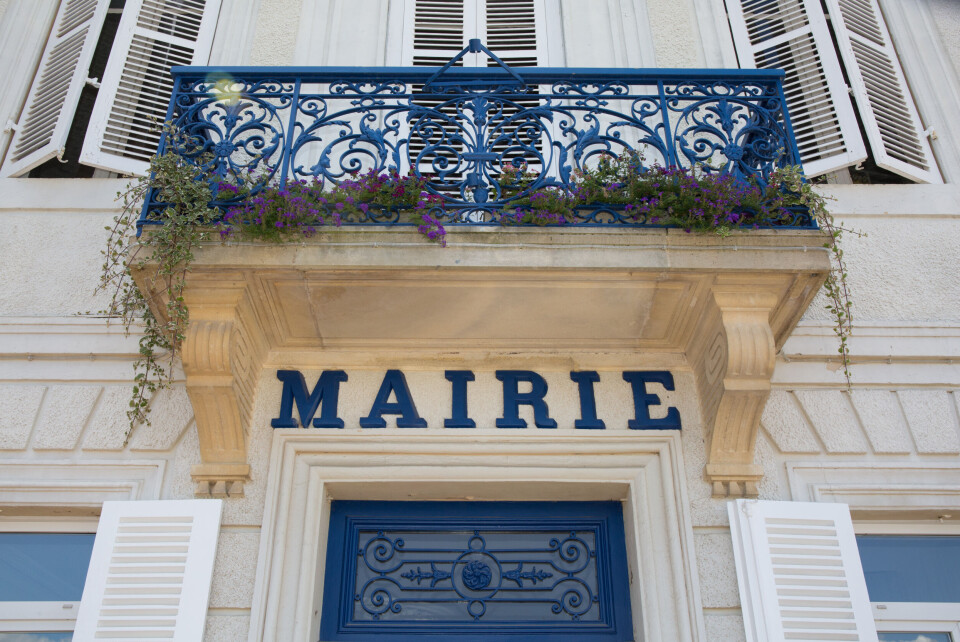
There are around 35,000 communes in France, and almost all of them have a mairie (town hall).
You can only legally get married at a mairie in France, although you can also choose to have a religious or symbolic ceremony elsewhere.
You can also register a civil partnership there, known in France as a pacte civil de solidarité (Pacs).
Formal recognition of relationships is not, however, the only service that mairies offer. They are often the first port of call for administrative queries and local bureaucratic procedures.
The services managed by a mairie depend partly on the size of the commune and the responsibilities delegated by the local intercommunal authority.
These can include town planning, housing, schools, public sports facilities, cultural activities, health and social assistance, and in some cases municipal policing.
Essentially, whatever your query, if the mairie cannot answer it directly, staff can usually point you in the right direction.
Here are 12 services your mairie may be able to help with:
1. Apply for planning permission
Declarations for minor building works (déclarations préalables) and applications for full planning permission (permis de construire) must generally be submitted to the mairie.
Residents can also consult local planning regulations (plan local d’urbanisme or PLU) and, where applicable, contest planning applications.
2. Obtain an updated birth certificate
In France, birth certificates are requested from the mairie of the commune where the person was born, rather than from the local mairie where they currently live.
French birth certificates are updated throughout a person’s life to record major civil status changes, including marriage, divorce, name changes and death.
This is why many administrative procedures require a recent copy, usually issued within the previous three months.
3. Access the local tip or recycling centre
Proof of address (justificatif de domicile) or a special access card issued by the mairie is often required to use the local déchetterie (tip or recycling centre).
The mairie can also provide information on opening hours and the nearest facilities.
4. Register to vote
French citizens and citizens of other EU countries living in France can register on the local electoral roll at the mairie.
EU citizens may vote in municipal and European elections in France, although eligibility rules vary depending on nationality and election type.
5. Attend local ceremonies and celebrations
Many communes organise free apéros, ceremonies or receptions for residents on public holidays, during the New Year period, or for local festivals.
These events can be a useful way to meet neighbours and speak with local elected officials (élus). Some mairies also hold welcome receptions for new arrivals.
6. Complete recensement citoyen paperwork
French citizens must complete recensement citoyen formalities at age 16 in order to receive an attestation de recensement.
This process is linked to participation in the journée défense et citoyenneté (JDC) and is required for certain exams and administrative procedures, including registering for some state exams and obtaining a driving licence.
7. Request permission for school enrolment elsewhere
Children are generally expected to attend the school assigned to their commune or catchment area.
Parents who wish to enrol a child elsewhere may need to request a dérogation scolaire through the mairie.
8. Arrange a civil baptism
Some mairies offer civil baptisms (baptêmes civils or baptêmes républicains) for families who want a non-religious welcoming ceremony for a child.
The ceremony is symbolic rather than legally binding, and while mayors are not obliged to offer it, many communes continue the tradition.
9. Find local tradespeople and businesses
Many mairie websites list local businesses and artisans, including smaller tradespeople who may have little or no online presence elsewhere.
This can be a useful resource when looking for builders, plumbers, gardeners or other local services.
10. Declare a gîte or chambre d’hôtes
People renting out holiday accommodation, including furnished tourist lets listed on platforms such as Airbnb, are often required to declare the activity at the mairie.
Since May 2026, all communes have been required to offer a registration procedure for short-term furnished tourist rentals.
Owners who fail to comply with registration requirements where they apply may face financial penalties.
11. Register a death
Deaths must be declared at the mairie of the commune where the death occurred, regardless of the nationality or place of residence of the deceased.
The declaration is usually made by a relative, funeral director or another person with the necessary information.
You will generally need identification documents and, where available, medical certification of the death.
12. Seek mediation in neighbourhood disputes
If disputes arise between neighbours over noise, overgrown trees, barking dogs or similar issues, the mairie may be able to help mediate.
The mayor also has certain powers relating to local public order and can explain applicable local regulations or direct residents towards formal mediation procedures.