When San Franciscans Robin Bates and Constance Bryan met while studying abroad in Paris in 1989, they bonded instantly over their shared fascination with French culture – and the surprising discovery that they had grown up just miles apart.
Both had long been drawn to France. Constance was inspired by her great-uncle’s tales of serving there during World War One. Robin was enchanted by the Madeline book series as a child and later, as a teen, by stories of Josephine Baker and the Harlem Renaissance.
Arriving in Paris eager to absorb its language and culture, they were surprised to discover a deeper connection: the enduring legacy of African-Americans in France.
“We ended up stumbling across a lot of information and we felt more people should know about this history,” says Robin.
In 1998, she created Café de la Soul, the first website dedicated to Black Paris.
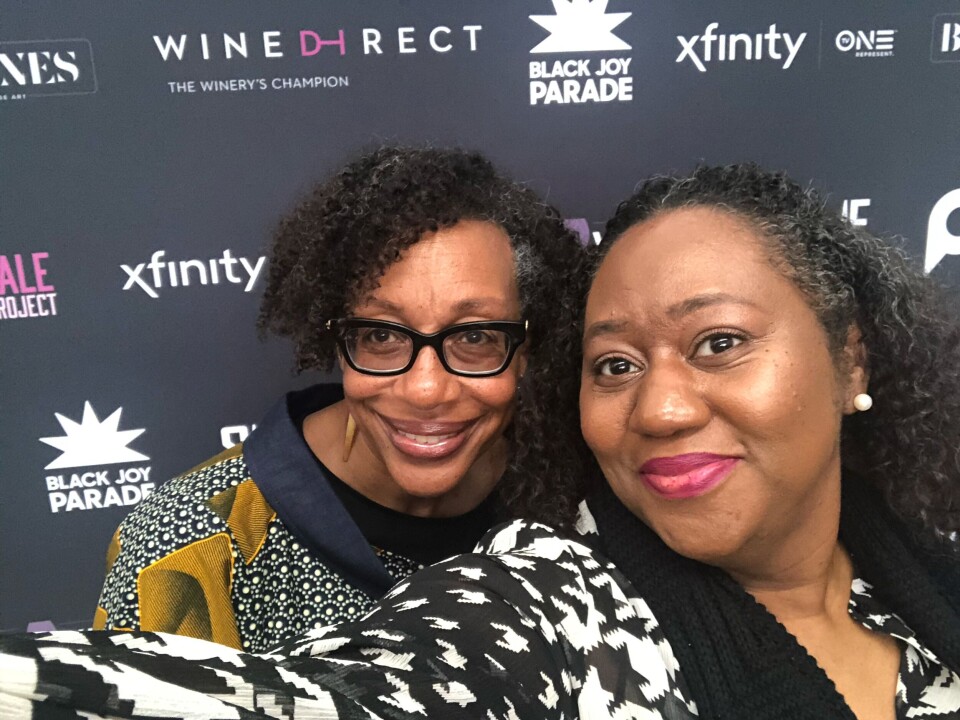
Constance (left) and RobinCredit Maison Noire Américaine
Fifteen years later, she founded Maison Noire Américaine, appointing Constance as assistant director, to celebrate the historical and contemporary influence of the African American and African diaspora in France; from history, food and fashion to literature, music and art.
The non-profit’s events span film screenings, social mixers, panel discussions, and guided cultural tours.
A standout experience, the Soul Food Atelier, featured Cordon Bleu–trained chef Jennifer Hill Booker, who blends Southern flavors with French finesse, paired with champagne from Marie Césaire, the first Black woman-owned champagne brand in France.
Josephine Baker celebration
Another highlight was an event to mark Josephine Baker’s 2021 induction into the Panthéon, the French temple of national heroes. Baker was the first Black woman and only the sixth woman ever to be enshrined there.
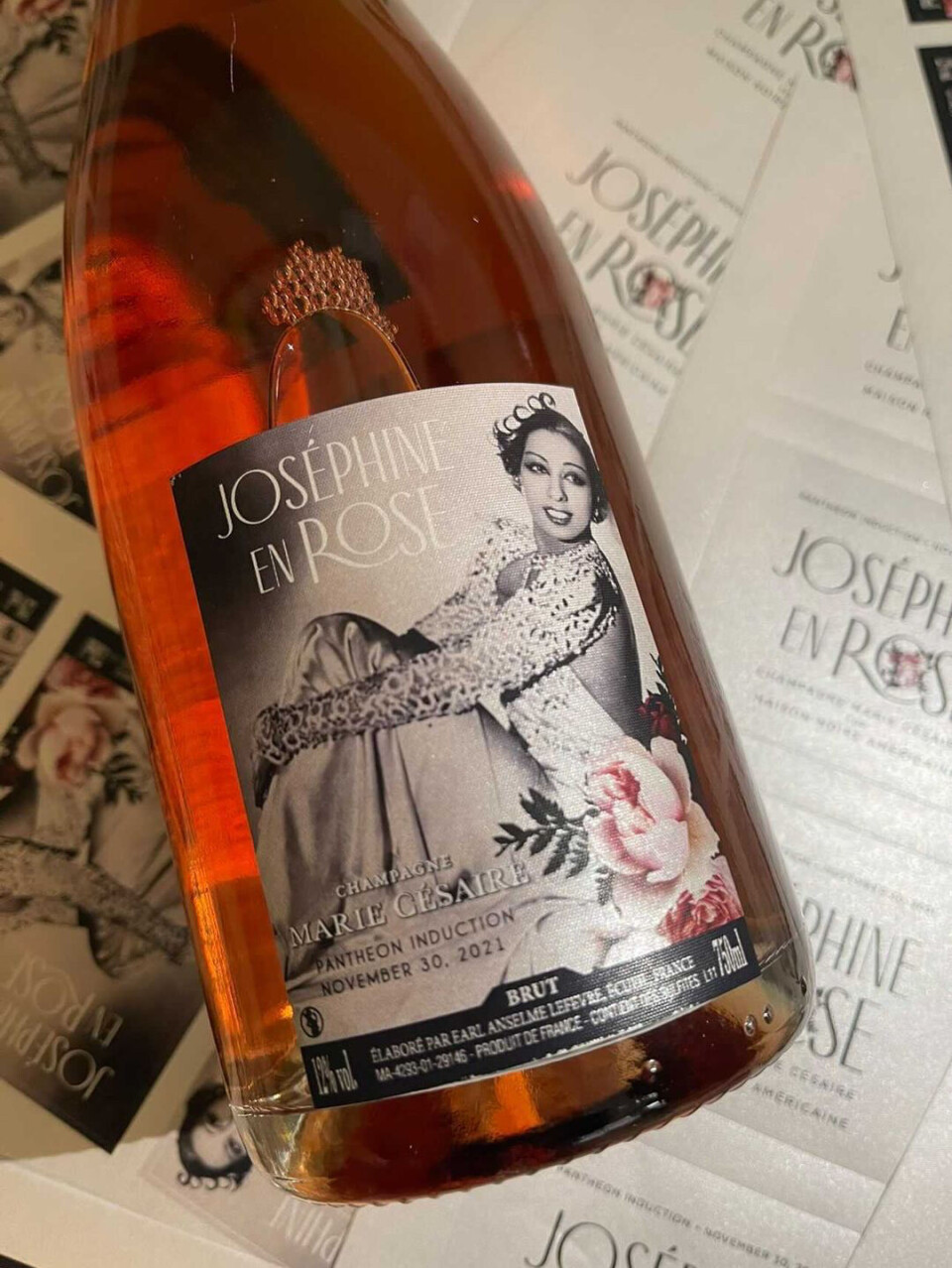
Maison Noire Américaine hosted the only independent celebration attended by Baker’s children, which featured singers and a Josephine-inspired menu, including a champagne named in her honour.
“It was incredibly emotional and joyful to celebrate a woman who did so much for both France and the African-American community,” says Robin.
Beyond Baker and other icons, such as the writer James Baldwin, the organisation spotlights lesser-known figures whose stories shaped cultural exchange between the US and France.
“The very first African-American bishop, James Augustine Healy, was ordained at Notre-Dame in 1854 because he couldn’t be ordained in the US,” says Robin.
Constance adds: “Bessie Coleman, one of the first Black women aviators, learned to fly in France. And James Hemings, who trained as a chef in 18th-Century France, brought back techniques that influenced American cuisine – he’s credited with popularising macaroni and cheese.
“For so many African-Americans of note, France is a thread that binds them across generations and disciplines.”
A cultural history
Champagne dedicated to Josephine BakerMaison Noire Américaine
That thread stretches back to World War One, when African-American soldiers introduced jazz to France through the legendary Harlem Hellfighters band led by Lt. James Reese Europe. The music electrified Paris and helped lay the groundwork for the city’s love affair with African-American artistry.
But why France? “There was something about France that allowed people to simply be,” says Robin. “African-Americans were seen not as Black artists, musicians, or scholars, but as artists, musicians, and scholars, full stop.
“The French met them with curiosity and genuine respect for who they were and what they created, recognition that was rare in America.”
Today, Maison Noire Américaine continues to nurture that spirit of cultural discovery – illuminating historic connections while amplifying the voices of contemporary Black intellectuals and creatives.
“History is still being made,” Robin says. “People are still coming, inspired by these stories.”
Through its events, tours, and online journal, Maison Noire Américaine invites visitors to explore a more inclusive Paris, one that reflects both the city’s layered history and its living, breathing creativity.
“We want people to discover a Paris that feels personal to them,” says Robin. “A Paris where they can see themselves reflected.”
And while the organisation was born from the Black experience, its doors – and its mission – are open to all.
“Our events aren’t just for Black people or the diaspora,” Robin says. “They’re for anyone curious enough to explore these communities in a genuine and meaningful way.”
From wartime stories to culinary collaborations, through Josephine Baker’s triumphs to modern-day Black artists redefining what it means to belong, Maison Noire Américaine continues to weave a bridge between cultures, reminding the world that Black history in France isn’t a chapter of the past. It’s a living story – one still being written.