How I swapped cinema seats for a micro-farm in rural France
After a varied career in Britain, Beverley Morel moved to the Lot to renovate a farmhouse


After a varied career in Britain, Beverley Morel moved to the Lot to renovate a farmhouse. Rescue donkeys, a growing collection of animals and an interest in permaculture persuaded her to stay.
When I moved to France in 2016 to renovate a property, I had already had quite a varied career.
I started out as a human resources manager for a law firm, but, inspired by an advert on TV, I became a dog trainer and ended up working with dogs for film and television.
I was also no stranger to property development. Over the years, I had bought several houses, renovating them for the rental market.
One day, I heard that a beautiful Art Deco cinema in Puisserguier (Hérault), close to our holiday home in Capestang, was being demolished and all its seats were to be disposed of. I decided to salvage them.
Many needed to be reupholstered, so in 2010 I attended an upholstery course, learning how to restore the chairs to a good standard.
I started a business renovating and selling seats from this cinema and other venues. To my surprise, demand was high. People wanted authentic cinema seats for their living rooms or home cinemas. My clients included several celebrities, and some of my chairs are also at Selfridges in London.
Over time, the work became more difficult as I developed arthritis in my fingers. I knew it was time to move on to something else, but was not quite sure what I wanted to do next.
A new life in the Lot
I have always loved France, and we had owned the property in Capestang since 2000. I regularly went there on holiday, so deciding to move over and renovate a property to resell seemed a straightforward and fun thing to do.
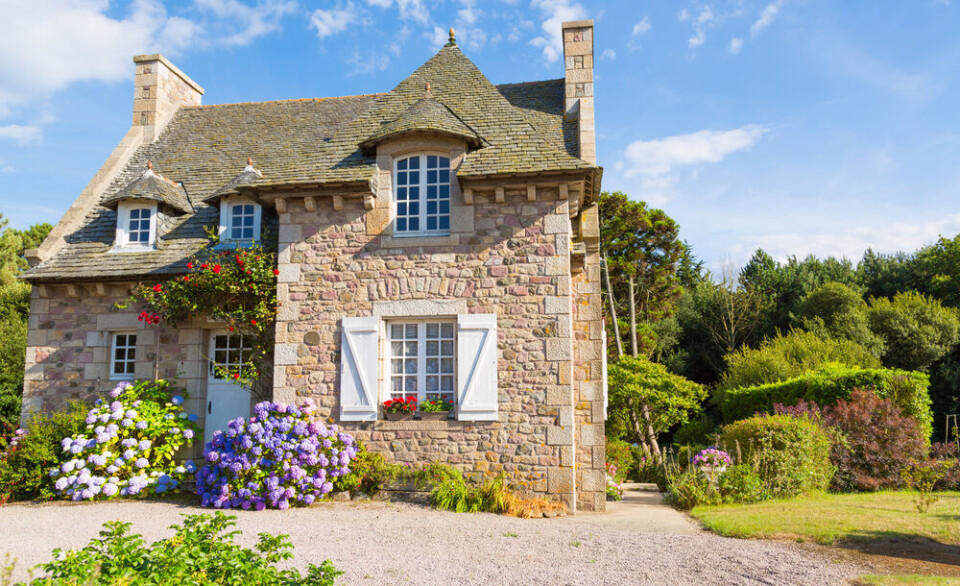
We purchased a stone farmhouse in Duravel (Lot), which had once been used as a teenagers’ holiday camp. It had not been lived in since 2009 and had fallen into disrepair.
After completing the purchase in December 2016, we set off with a plan to renovate it and move on within five years.
Despite the fact that it was -9C when we arrived and there was no heating, the rather tired property gradually wound its way into my heart. Then we got Bonnie and Clyde, our rescue donkeys, and the rest is history.
I have always loved donkeys. These gentle, loving and calm creatures are a delight. Having donkeys was a way of making use of the land and keeping the grass in check. Something about having them also made the place seem more like home.
I began to wonder whether we could create a totally different life, settle here and make something wonderful.
Developing an ecological micro-farm
It was time for a new project: an ecologically minded micro-farm. This led to the acquisition of a range of chickens, ducks and miniature goats.
Over time, I also fell in love with the land. I have a nephew who visited and talked to me about permaculture. At first, I did not understand or engage with it much, but I have come to realise what a responsibility and a privilege it is to own land.
We began to develop agroforestry practices, integrating trees and other plants with crops and livestock on the same land. It is a more natural way of doing things and, I believe, kinder to the environment, helping to maintain ecological balance and soil health. All our crops are organic.
We also converted a building, formerly a shower block, into a luxury gîte from which people can explore the local area or spend time on the farm, now named La Ferme du Bourdicou. I help guests who want to learn more about ecological farming or smallholdings.
I also run a market stall every Saturday morning in Duravel, selling curries, bakes, cakes, granola, jams, chutneys, duck and chicken eggs, and flowers from the land.
Working on a farm, no two days are the same. I am up early, feeding and caring for the animals, and I barely stop until it is time to go to bed. But I love every moment.