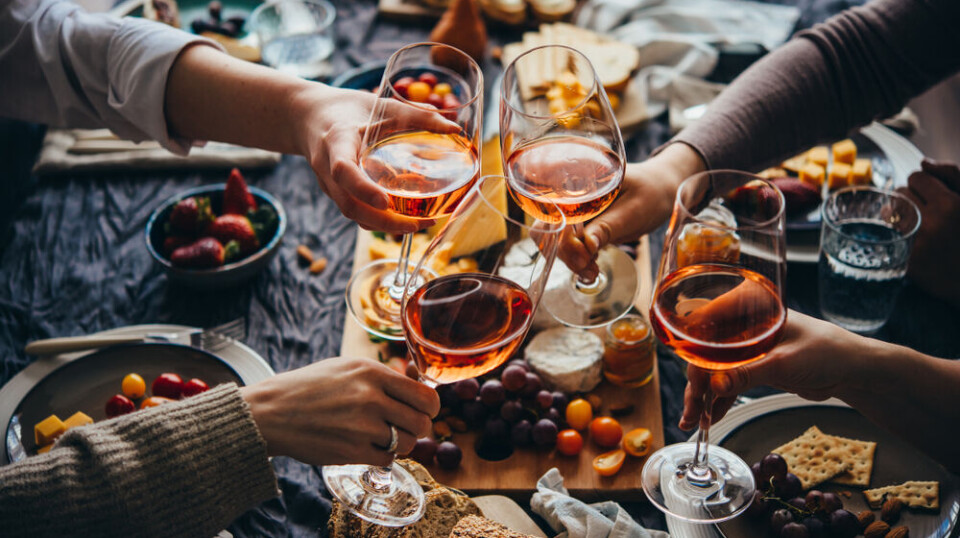
Alcoholism causes over 40,000 deaths a year in France
307,000 patients hospitalised every year
While the US and the UK tend towards occasionally drinking large amounts, the French pattern is one of drinking smaller amounts every day, as part of the cultural norm
Will Howe / Shutterstock
France is famous for its wine production and tradition of evening apéritifs, but alcohol addiction is the darker side of social drinking.
The latest figures from OFDT (the French Observatory for Drugs and Addictive Trends) show that more than 307,000 patients are hospitalised and treated for alcohol dependence every year, and approximately 41,000 deaths each year are attributed to alcohol-related causes.
Part of the culture
Alcohol – particularly wine – has always been part of French culture, and while the level of alcohol consumption has almost halved since the 1960s, it remains high.
In terms of litres of pure alcohol consumed per person (LPC), Latvia, Germany and Portugal top the list (at 12.2, 12 and 11.8 LPC respectively); France is at 9.75 LPC, followed by the US at 9.5 and the UK at 9.3.
However, while the US and the UK tend towards occasionally drinking large amounts, the French pattern is one of drinking smaller amounts every day, as part of the cultural norm.
Recommendations and reality
Wine represents 52% of alcohol sold in France (25% for beer and 21% for spirits), and the total quantities of pure alcohol equate to an average of 2.4 standard glasses of wine per day for each person aged 15 or over.
The French healthcare service recommends that adults drink no more than two glasses of wine at any time, stick to a maximum of seven glasses a week, and spend at least two days a week completely alcohol-free.
The reality is that 22.2% of adults exceed these recommended limits, and there is a clear gender divide: 15% of women and 30% of men are regularly consuming more than the recommended amount of alcohol.
Glass size
As the Ameli website clearly states, one of the difficulties in gauging your own consumption is the size of ‘a glass’.
A standard measure of pure alcohol is 10g, which equates to a glass of wine, one measure of whisky or of vodka, or a glass of champagne. However, this only applies if each drink is served in the glass designed for a specific measure; if you pour yourself a glass of port into a 100ml wine glass rather than a 60ml aperitif glass, you are misleading yourself about your own consumption.
Keep a record
It can be a useful exercise to keep an honest record for one week of every alcoholic drink you have. You can also make a note using the Alcoomètre website (alcoometre.fr) which, based on your gender, age and weight, provides an overview of your consumption over seven days.
French healthcare services say that you need to act if your drinking is excessive, frequent and/or uncontrolled; if you experience withdrawal symptoms when you are not drinking alcohol; if you need to drink to relieve unpleasant symptoms such as tremors, restlessness or anxiety; if your alcohol consumption has led you to stop work or leisure activities; or if people around you are making comments about your drinking habits.
As a first step, Ameli recommends setting your own goals, such as not drinking alone, reducing how often you drink alcohol and drinking less on each occasion (alternating between alcoholic and non-alcoholic drinks, for example), setting alcohol-free periods during the day and making a conscious effort to do other activities that you do not associate with alcohol.
Ask for support
There are structures in place in France to help you reduce your alcohol consumption, and you are encouraged to seek support from a healthcare professional such as your GP, a nurse or a pharmacist if needed.
They can tell you more about the benefits of reducing your alcohol intake, help you find motivation to drink less and develop a practical, long-term plan.
For more information, try the anonymous online questionnaire by automesure, which is available in English (automesure.com/dependance-a-lalcool). You can also contact the Alcool Info Service (in French) at alcool-info-service.fr or by calling 0980 980 930.