






-
Hospital in Nouvelle-Aquitaine to make some parking spaces paid: how common is this in France?
The hospital said the measure will prevent long-term parking by non-hospital users
-
Seven speed cameras vandalised in Nouvelle-Aquitaine
The cameras were covered with tarpaulins bearing the words ‘Tic tac’
-
Charente man sentenced to 12 years in prison for starting dozens of wildfires
The man, father of two, was responsible for 32 fires
Look up to see rare comet passing above French skies
Comet passes every 71 years and may be bright enough to view with the naked eye
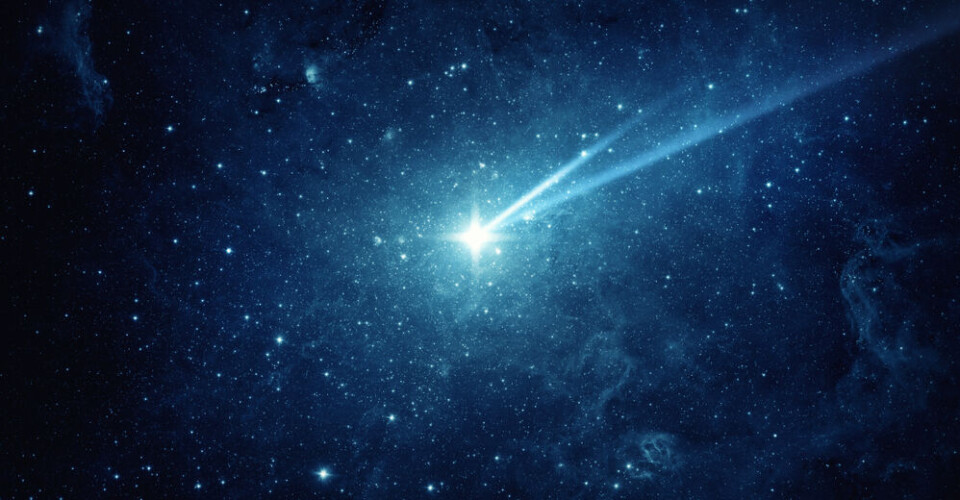
Avid astronomers in France may be able to see a rare comet pass over the skies in the coming days.
The 12P/Pons-Brooks comet passes every 71 years and is about the size of Halley’s Comet; 15km by 8km.
This year’s passage will not be as bright as usual – due to the position of the sun – but astronomers recommend people look up to take a peek.
People hoping to see it should use binoculars, said Nicolas Biver, astrophysicist at the Paris Observatory and head of the comet committee at the Société Astronomique de France.
During the next couple of days, it may even be possible to view it without binoculars, if it has an ‘outburst’ which makes it brighter, although this is not guaranteed.
The comet will be visible most nights in March, but its light will be strongest before March 17.
“2024 is not a very favourable passage for observation [of the comet],” he told Actu.fr.
“The next one will not be either,” he added, meaning this will be the best chance for all of us to see it in our lifetimes.
"If it had arrived four months earlier, it would have been great,” said Mr Biver.
Read more: Call for astronomy fans to help French scientists with comet tracking
How can I see the comet?
Mr Biver recommends using binoculars “at least 40mm to 50mm in diameter,” or a telescope.
You will need to look to the north-west – “About 8°C below the Andromeda galaxy.”
Of course, setting up in a place with little to no light pollution will give you the best chance.
The comet may be visible again towards the end of the month and again at the end of April but it is not certain, meaning your best chance is to catch it now.
Related articles
‘Enchanted’, ‘amazing’: Your memories of the Perseids shooting stars


