






-
Hospital in Nouvelle-Aquitaine to make some parking spaces paid: how common is this in France?
The hospital said the measure will prevent long-term parking by non-hospital users
-
Seven speed cameras vandalised in Nouvelle-Aquitaine
The cameras were covered with tarpaulins bearing the words ‘Tic tac’
-
Charente man sentenced to 12 years in prison for starting dozens of wildfires
The man, father of two, was responsible for 32 fires
Is everyone in France affected by new obligatory home waste rules?
Plastic, metal, cardboard, glass, clothes and now ‘biowaste’ must be sorted
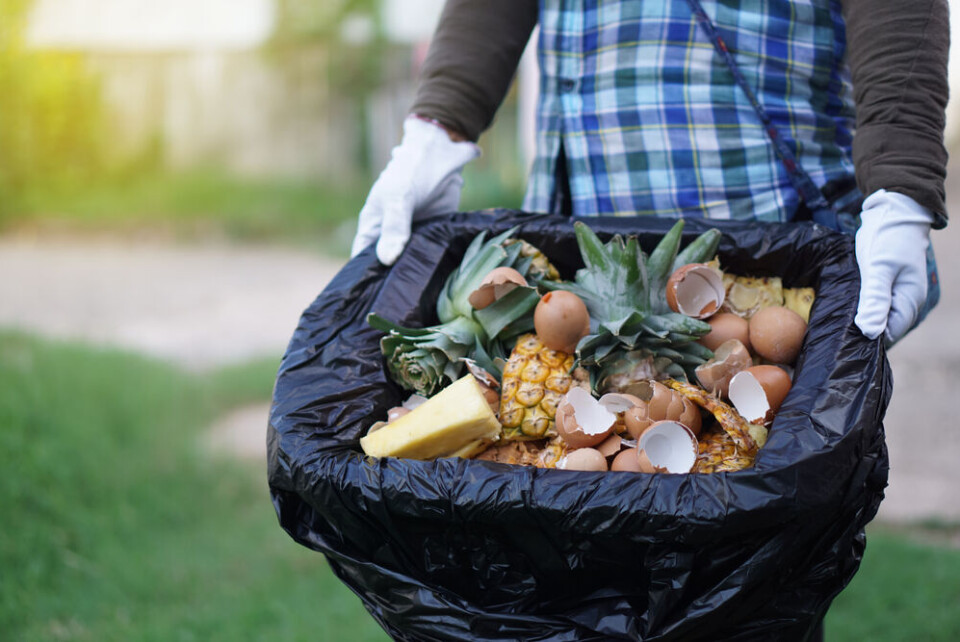
The rules about what goes in the bin are changing: from today, January 1, ‘biowaste’ must be sorted into special bins. We review how this works and who is affected.
What is the new law?
The new rules about how to manage household waste are part of an anti-waste law, la loi AGEC (anti-gaspillage pour une économie circulaire).
This law is also the reason why shops now ask if you want a printed receipt, and why the government offers a cash bonus to repair old clothes.
It is intended to bring France in line with European law, which says that by 2025 biowaste should not be disposed of in ordinary tips or incinerators.
It is considered particularly wasteful to burn organic waste since it requires more heat than dry waste, and the nutrients it contains could be otherwise beneficial for the soil.
What do people have to do?
Plastic, metal, cardboard, glass and clothes are already subject to recycling rules.
From January 1, households are expected to have another separate bin at home for kitchen waste, such as peelings, coffee grounds, meal leftovers etc, as well as green garden waste.
Some local authorities already collect this waste (in brown recycling bins).
However in most of France residents and local authorities are not ready.
Authorities are hoping that people will compost their own food and vegetable waste, or share a compost with their neighbours.
Note that it is not composting that is obligatory, but separating biowaste from other waste.
Are there fines for not separating biowaste?
No, there are not any sanctions for members of the public or councils that fail to separate biowaste.
A source from the Montpellier Métropole told The Connexion that the rollout of the new scheme is expected to take months, and that its aim is to change people’s behaviour over several years, rather than “just put out brown bins on the street.”
Read more:
Most homes in France not ready to separate food waste come January 1
Explainer: the rules about composting from January 1 in France
Are you (and your council) ready for obligatory compost law in France?
Rats are not attracted to compost heaps, assures French waste expert


